
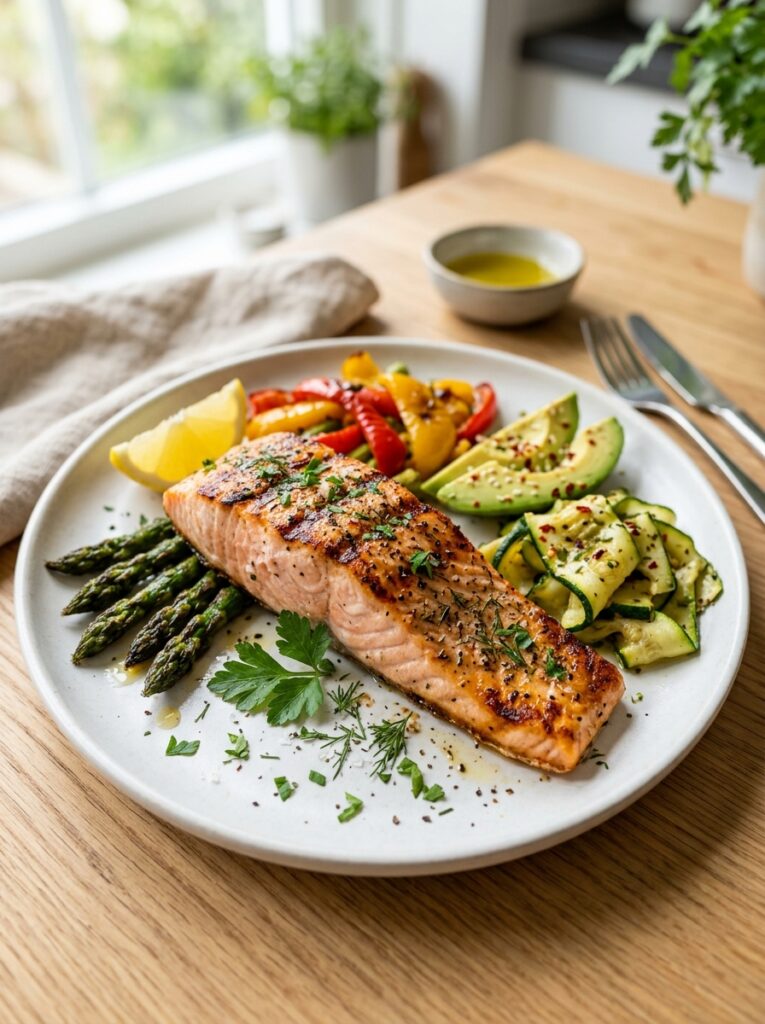
Finding a meal that is both satisfying and supportive of weight loss can feel like a challenge, especially during middle age. As the body changes, metabolism often slows down, making it more important than ever to choose foods that nourish, satisfy, and support overall health. The good news is that healthy eating does not have to mean bland flavors or boring dinners. In fact, some of the most nutritious meals can also be among the most delicious.
This Keto Salmon Recipe is designed specifically for middle-aged adults who want to manage their weight while enjoying a flavorful, restaurant-quality meal at home. Rich in protein, healthy fats, and essential nutrients, salmon has earned its reputation as one of the best foods for supporting a healthy lifestyle. When paired with colorful low-carb vegetables and simple seasonings, it becomes a meal that feels indulgent while remaining completely aligned with keto and weight-loss goals.
What makes this recipe especially appealing is its balance. It provides enough healthy fats to keep you satisfied, enough protein to preserve muscle mass, and very few carbohydrates to help maintain ketosis. Whether you’re new to keto eating or have been following a low-carb lifestyle for years, this recipe offers a reliable option for busy weeknights, meal prep sessions, or even special family dinners.
Even better, this dish comes together with simple ingredients that are easy to find and requires very little hands-on preparation. The result is a vibrant, colorful plate that looks impressive, tastes incredible, and supports your wellness goals all at the same time.
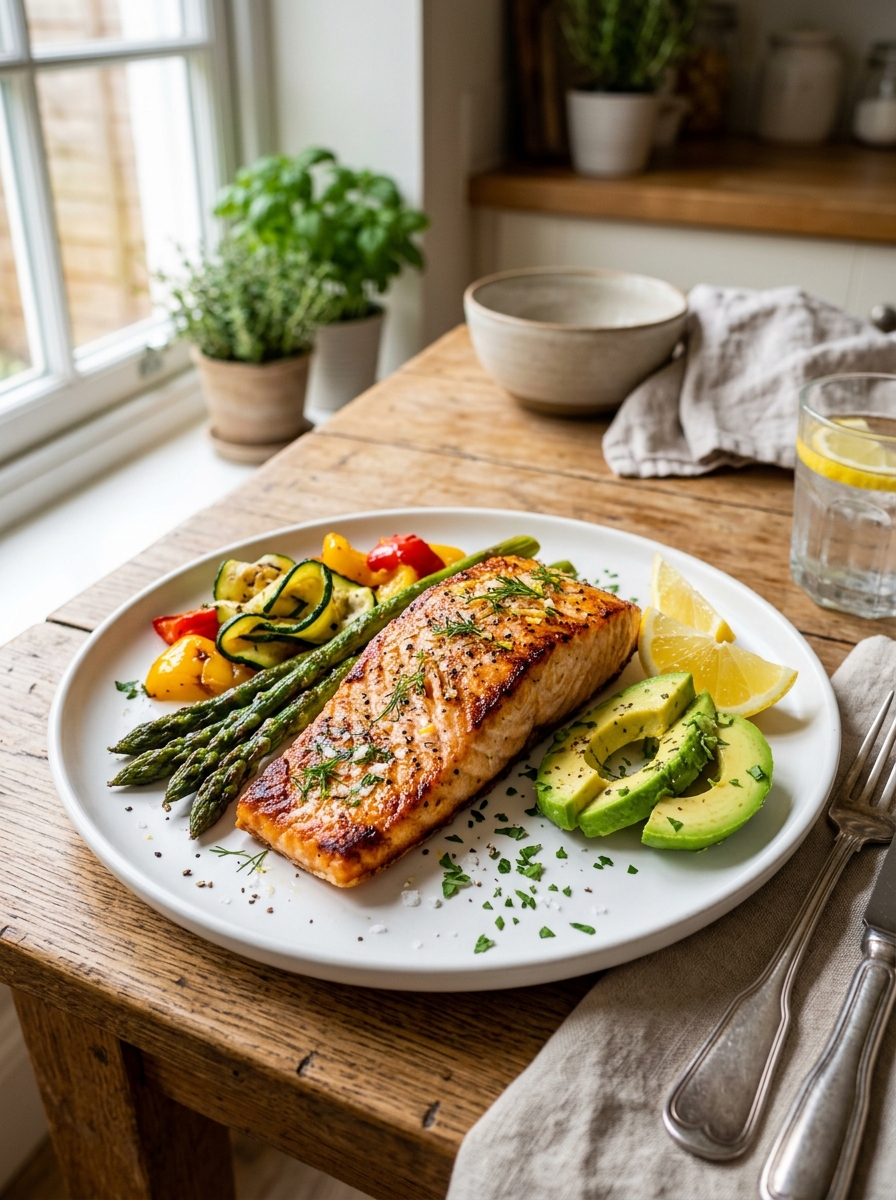
Why This Keto Salmon Recipe Is Different
Many weight-loss recipes focus so heavily on reducing calories that they leave you feeling hungry shortly after eating. That often leads to unnecessary snacking, cravings, and difficulty staying consistent with healthy eating habits. This keto salmon recipe takes a completely different approach.
Instead of depriving your body, this meal nourishes it with high-quality protein and healthy fats that help promote satiety. The combination of salmon and nutrient-rich vegetables creates a meal that fills you up without weighing you down. Every bite delivers flavor, texture, and nutrition that keeps you satisfied long after dinner is over.
Another reason this recipe stands out is its simplicity. There are no complicated techniques, specialty ingredients, or difficult cooking methods. Even beginner cooks can achieve excellent results. The focus remains on allowing the natural flavors of fresh ingredients to shine while creating a meal that supports long-term health and sustainable weight management.
For middle-aged adults, maintaining muscle mass becomes increasingly important. Protein-rich foods like salmon can help support this goal while also contributing to feelings of fullness. Combined with a keto-friendly approach, this recipe becomes more than just dinner—it becomes a practical tool for healthier living.
The Secret Benefits of Salmon for Weight Loss
When people think about weight loss, they often focus exclusively on calorie reduction. However, the quality of those calories matters just as much as the quantity. Salmon is one of the most nutrient-dense foods available, making it an excellent choice for individuals seeking sustainable weight management.
One of salmon’s greatest advantages is its high protein content. Protein requires more energy for digestion than carbohydrates or fats, which may contribute to increased calorie expenditure. More importantly, protein helps reduce hunger and promotes feelings of satisfaction after meals.
Salmon is also rich in omega-3 fatty acids. These healthy fats have been widely studied for their potential role in supporting heart health, reducing inflammation, and promoting overall wellness. For middle-aged adults, these benefits can be particularly valuable as nutritional needs evolve over time.
Another often-overlooked advantage is convenience. Salmon cooks quickly, adapts to numerous flavors, and pairs beautifully with a variety of keto-friendly side dishes. This versatility makes it easier to maintain healthy eating habits without becoming bored with your meals.
Ingredients
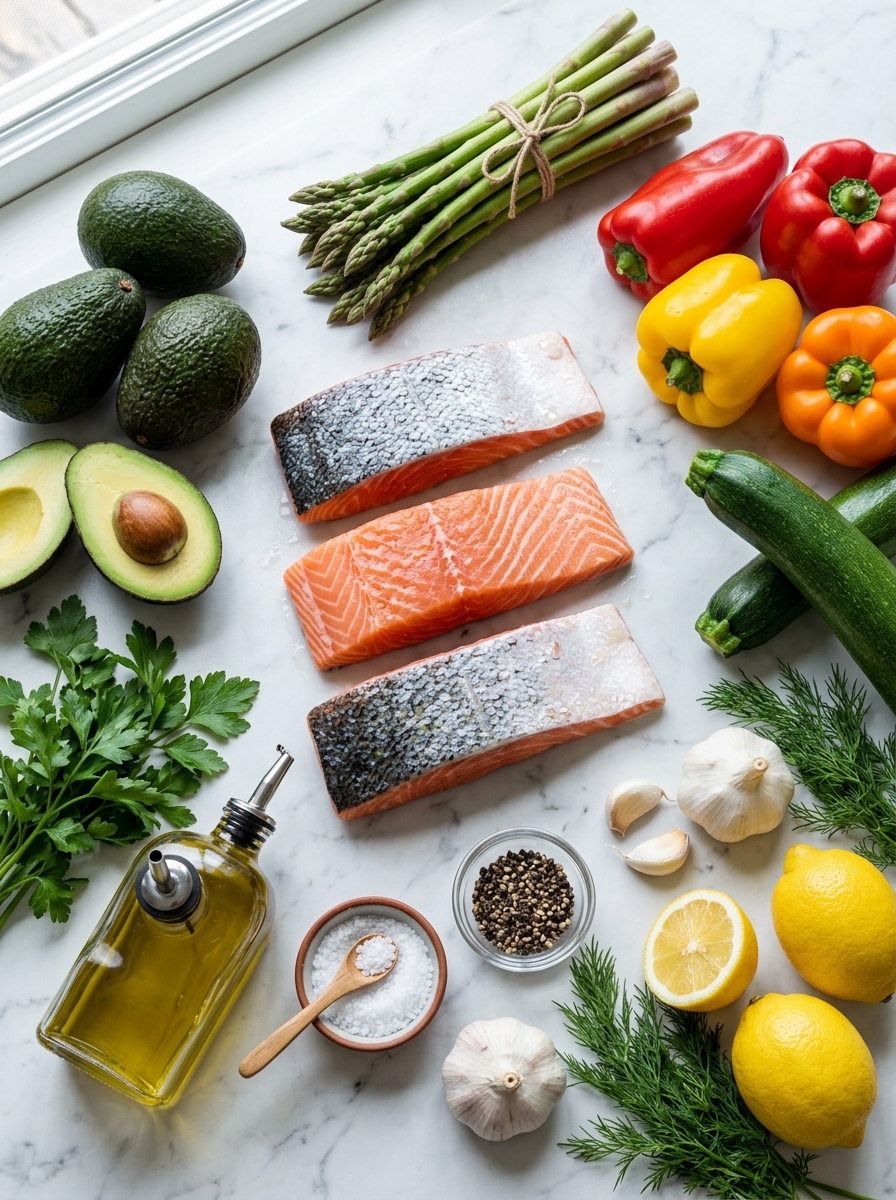
For the Salmon
- 4 salmon fillets (about 6 ounces each)
- 2 tablespoons olive oil
- 1 teaspoon sea salt
- ½ teaspoon black pepper
- 1 teaspoon garlic powder
- 1 teaspoon paprika
- 1 teaspoon dried parsley
- 1 tablespoon fresh lemon juice
For the Vegetables
- 1 bunch fresh asparagus, trimmed
- 1 medium zucchini, sliced into ribbons or rounds
- 1 red bell pepper, sliced
- 1 yellow bell pepper, sliced
- 1 avocado, sliced for serving
- 1 tablespoon olive oil
- Salt and pepper to taste
Optional Garnishes
- Fresh parsley
- Lemon wedges
- Crushed red pepper flakes
- Grated Parmesan cheese (if desired)
Understanding the Ingredients
Choosing the Best Salmon
Fresh salmon is always ideal when available, but frozen salmon can be an excellent option as well. Look for fillets that have a vibrant color and firm texture. Wild-caught salmon often offers a richer flavor profile, while farm-raised varieties tend to be more readily available and affordable.
Why Olive Oil Works So Well
Olive oil adds healthy monounsaturated fats while helping seasonings adhere to the salmon. It also promotes beautiful browning during cooking and complements the natural richness of the fish.
The Role of Low-Carb Vegetables
The vegetables in this recipe add color, texture, vitamins, and minerals without significantly increasing carbohydrate intake. Bell peppers provide sweetness, asparagus contributes a satisfying crunch, and zucchini offers a mild flavor that pairs perfectly with salmon.
Lemon’s Importance
A small amount of lemon juice brightens the entire dish. Its acidity balances the richness of the salmon and creates a fresher, more vibrant flavor profile.
Full Preparation Guide
Step 1: Prepare the Ingredients
Preheat your oven to 400°F (200°C).
Pat the salmon fillets dry using paper towels. This step helps the seasonings stick better and encourages proper browning during cooking.
Wash and prepare all vegetables. Trim the woody ends from the asparagus, slice the bell peppers into strips, and cut the zucchini into ribbons or rounds.
Having everything prepared before cooking begins makes the entire process smoother and more enjoyable.
Step 2: Season the Salmon
Place the salmon fillets on a large plate or baking sheet.
Drizzle them with olive oil and gently rub it across the surface of each fillet.
In a small bowl, combine the sea salt, black pepper, garlic powder, paprika, and dried parsley. Sprinkle the seasoning mixture evenly over all sides of the salmon.
Finish by drizzling fresh lemon juice over the top.
Allow the salmon to rest for about 10 minutes while preparing the vegetables. This brief resting period helps the flavors begin to penetrate the fish.
Step 3: Prepare the Vegetables
Place the asparagus, bell peppers, and zucchini in a large mixing bowl.
Drizzle with olive oil and season lightly with salt and pepper.
Toss until every vegetable is evenly coated.
Spread the vegetables in a single layer on a large baking sheet. Avoid overcrowding the pan, as this can cause steaming instead of roasting.
Step 4: Arrange Everything for Cooking
Place the seasoned salmon fillets directly on the baking sheet alongside the vegetables.
Leave a little space between each fillet to allow heat to circulate evenly.
This one-pan approach simplifies cleanup while allowing the flavors to complement one another during cooking.
Step 5: Roast to Perfection
Transfer the baking sheet to the preheated oven.
Roast for approximately 12 to 15 minutes, depending on the thickness of the salmon fillets.
The salmon should flake easily with a fork while remaining moist and tender inside. The vegetables should be slightly caramelized around the edges while retaining some texture.
Be careful not to overcook the salmon. Overcooking can dry out the fish and diminish its naturally rich flavor.
Step 6: Finish and Serve
Remove the baking sheet from the oven and allow everything to rest for 2 to 3 minutes.
Arrange the salmon on serving plates alongside generous portions of roasted vegetables.
Top with fresh avocado slices, chopped parsley, and additional lemon wedges if desired.
The result is a vibrant, colorful meal that looks as impressive as it tastes.
Delicious Variations to Try
One of the best aspects of this keto salmon recipe is its flexibility. Small adjustments can create entirely new flavor experiences while keeping the meal keto-friendly and weight-loss focused.
Garlic Butter Salmon
Replace the olive oil with melted butter and add freshly minced garlic. The result is a richer, more indulgent version that still fits comfortably within keto guidelines.
Herb-Crusted Salmon
Mix chopped fresh parsley, dill, thyme, and rosemary into the seasoning blend. This variation creates a bright, aromatic flavor profile that pairs exceptionally well with roasted vegetables.
Spicy Keto Salmon
Add cayenne pepper, chili powder, or red pepper flakes to the seasoning mixture. This version offers a pleasant heat that many people enjoy, especially when paired with creamy avocado.
Mediterranean Style Salmon
Top the finished dish with sliced olives, crumbled feta cheese, and diced cucumber. The Mediterranean-inspired flavors create an entirely new dining experience while maintaining low-carb benefits.
Cajun Salmon
Use a keto-friendly Cajun seasoning blend for a bold, smoky flavor. Pair it with roasted zucchini and peppers for a satisfying Southern-inspired meal.
Expert Tips for the Best Keto Salmon Every Time
Even though this recipe is straightforward, a few professional techniques can elevate it from good to exceptional. These tips are commonly used by chefs to maximize flavor, texture, and presentation.
Don’t Skip Drying the Salmon
Before seasoning, always pat the salmon dry with paper towels. Excess moisture can prevent proper browning and may result in a softer texture. Dry salmon develops a more appealing surface and allows seasonings to adhere better.
Use Evenly Sized Fillets
When possible, choose salmon fillets that are similar in thickness and size. This helps ensure even cooking and prevents some pieces from becoming overcooked while others remain undercooked.
Avoid Overcooking
One of the most common mistakes when preparing salmon is cooking it for too long. Salmon continues to cook slightly after being removed from the oven. If the center is still slightly translucent when you take it out, it will typically finish cooking during the resting period.
Invest in Fresh Ingredients
Because this recipe relies on simple ingredients, freshness matters. Fresh vegetables, quality olive oil, fresh lemons, and high-quality salmon can make a noticeable difference in the final result.
Roast Vegetables Properly
Vegetables should be spread out in a single layer rather than piled on top of one another. Overcrowding causes steaming instead of roasting, which can reduce flavor and texture.
Let the Salmon Rest
Allowing the cooked salmon to rest for a few minutes before serving helps retain moisture and improves texture. This small step often separates average salmon from restaurant-quality salmon.
Add Fresh Herbs at the End
Fresh herbs lose some of their brightness when exposed to prolonged heat. Sprinkling parsley, dill, or chives over the finished dish preserves their flavor and creates a more vibrant presentation.
Make Ahead Options
One of the reasons this recipe is so popular among busy adults is its meal-prep friendliness. Several components can be prepared ahead of time to make dinner even easier.
Prep the Vegetables in Advance
The asparagus can be trimmed, the bell peppers sliced, and the zucchini prepared up to two days ahead. Store them in airtight containers in the refrigerator until needed.
Season the Salmon Early
The salmon can be seasoned several hours before cooking. Simply cover and refrigerate until ready to bake. This can actually enhance flavor as the seasonings have more time to penetrate the fish.
Prepare Complete Meal Prep Portions
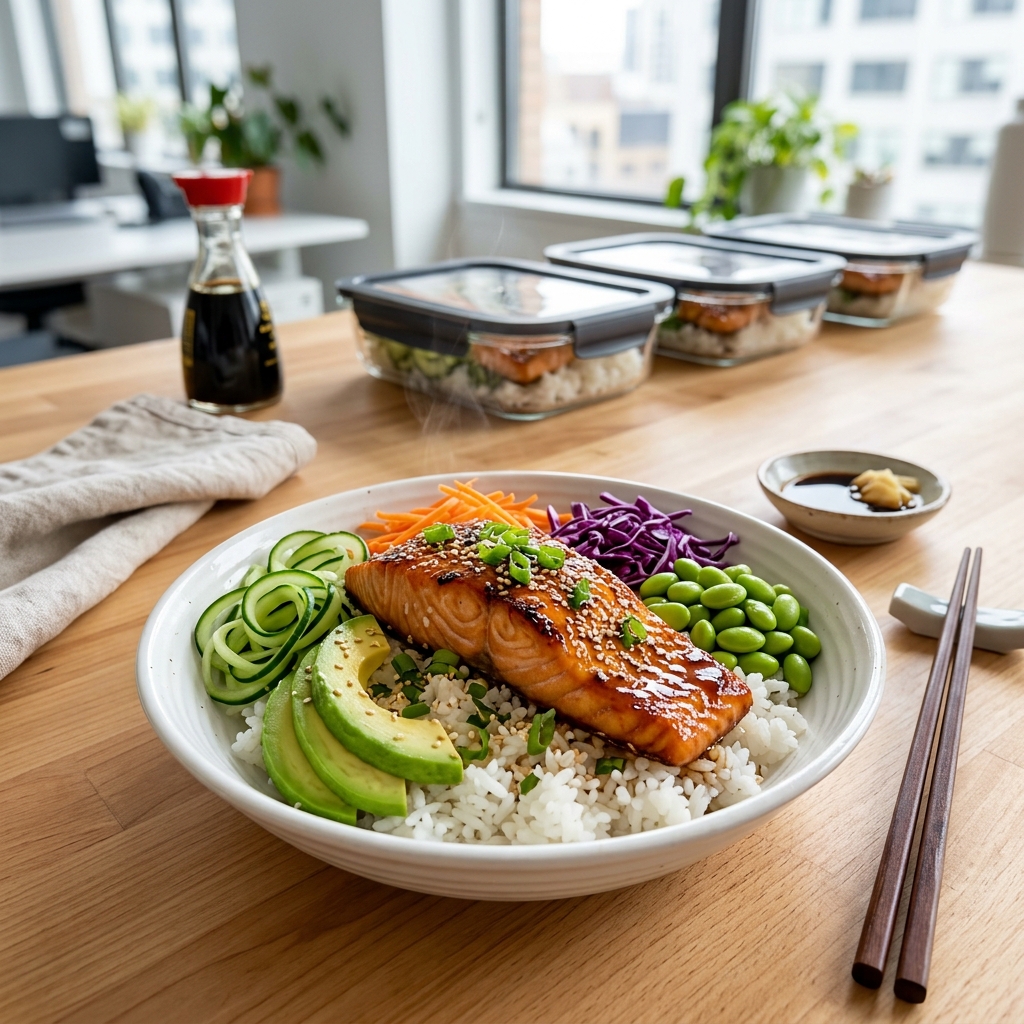
Cooked salmon and vegetables can be portioned into meal-prep containers for easy lunches or dinners throughout the week. Add fresh avocado just before serving for the best texture.
Freeze for Future Meals
Raw seasoned salmon can be frozen in freezer-safe bags. When needed, thaw overnight in the refrigerator and cook according to the recipe instructions.
What to Serve with Keto Salmon
Although this salmon dish is satisfying on its own, pairing it with complementary keto-friendly sides can create a complete and impressive meal.
Cauliflower Rice
Cauliflower rice is one of the most popular keto side dishes. It absorbs flavors beautifully while keeping carbohydrate intake low.
Garlic Butter Cauliflower Mash
Creamy cauliflower mash provides a comforting alternative to traditional mashed potatoes. Its rich texture pairs exceptionally well with salmon.
Fresh Green Salad
A crisp salad made with mixed greens, cucumber, avocado, and a simple olive oil dressing adds freshness and balance to the meal.
Roasted Brussels Sprouts
Brussels sprouts develop a delicious caramelized flavor when roasted and pair wonderfully with the richness of salmon.
Sautéed Spinach
Spinach cooked with garlic and olive oil provides additional nutrients and complements the flavors of the fish without overpowering it.
Cucumber Avocado Salad
This refreshing side dish offers cool, creamy textures that balance the warm roasted salmon and vegetables.
Zucchini Noodles
For those craving a pasta-like experience without the carbs, zucchini noodles are an excellent choice.
Keto Coleslaw
A homemade low-carb coleslaw adds crunch and contrast while remaining completely keto-friendly.
How to Store Keto Salmon
Proper storage helps maintain freshness, flavor, and food safety.
Refrigerating Leftovers
Allow the salmon and vegetables to cool completely before storing.
Transfer leftovers to airtight containers and refrigerate for up to three days.
For best results, store avocado separately and add fresh slices when serving.
Reheating
Reheat salmon gently to avoid drying it out.
The oven is often the best method. Place the salmon in an oven-safe dish, cover loosely with foil, and warm at 300°F (150°C) until heated through.
Microwaving is possible but should be done carefully using short intervals to prevent overcooking.
Freezing
Cooked salmon can be frozen for up to three months.
Wrap individual portions tightly before placing them in freezer-safe containers or bags.
Thaw overnight in the refrigerator before reheating.
Food Safety Reminder
Never leave cooked salmon at room temperature for extended periods. Refrigerate leftovers within two hours of cooking.
Frequently Asked Questions
1. Is salmon good for weight loss?
Yes. Salmon is rich in high-quality protein and healthy fats that help promote satiety. Many people find that meals containing salmon keep them full longer than meals based primarily on refined carbohydrates.
2. Can I use frozen salmon?
Absolutely. Frozen salmon works very well in this recipe. Simply thaw it completely in the refrigerator before seasoning and cooking.
3. How do I know when salmon is fully cooked?
Salmon should flake easily with a fork while remaining moist in the center. An internal temperature of 145°F (63°C) indicates that it is safely cooked.
4. Is this recipe suitable for beginners?
Yes. The recipe uses simple ingredients and straightforward cooking techniques, making it ideal for cooks of all skill levels.
5. Can I cook the salmon in an air fryer?
Yes. Air fry at 390°F (199°C) for approximately 8 to 10 minutes, depending on the thickness of the fillets.
6. What vegetables work best with keto salmon?
Asparagus, zucchini, broccoli, cauliflower, Brussels sprouts, spinach, green beans, and bell peppers are all excellent keto-friendly choices.
7. Can I meal prep this recipe?
Definitely. This recipe is one of the best options for keto meal prep because both the salmon and vegetables store and reheat well.
8. Is salmon better than chicken for keto diets?
Both can fit into a keto lifestyle. However, salmon naturally contains beneficial omega-3 fatty acids that provide additional nutritional advantages.
9. Can I use different seasonings?
Of course. Lemon pepper, Cajun seasoning, Italian herbs, garlic butter seasoning, and fresh herb blends all work wonderfully with salmon.
10. How often can I eat salmon?
Many nutrition professionals encourage including fatty fish such as salmon several times per week as part of a balanced diet. It can be enjoyed regularly alongside a variety of other protein sources.
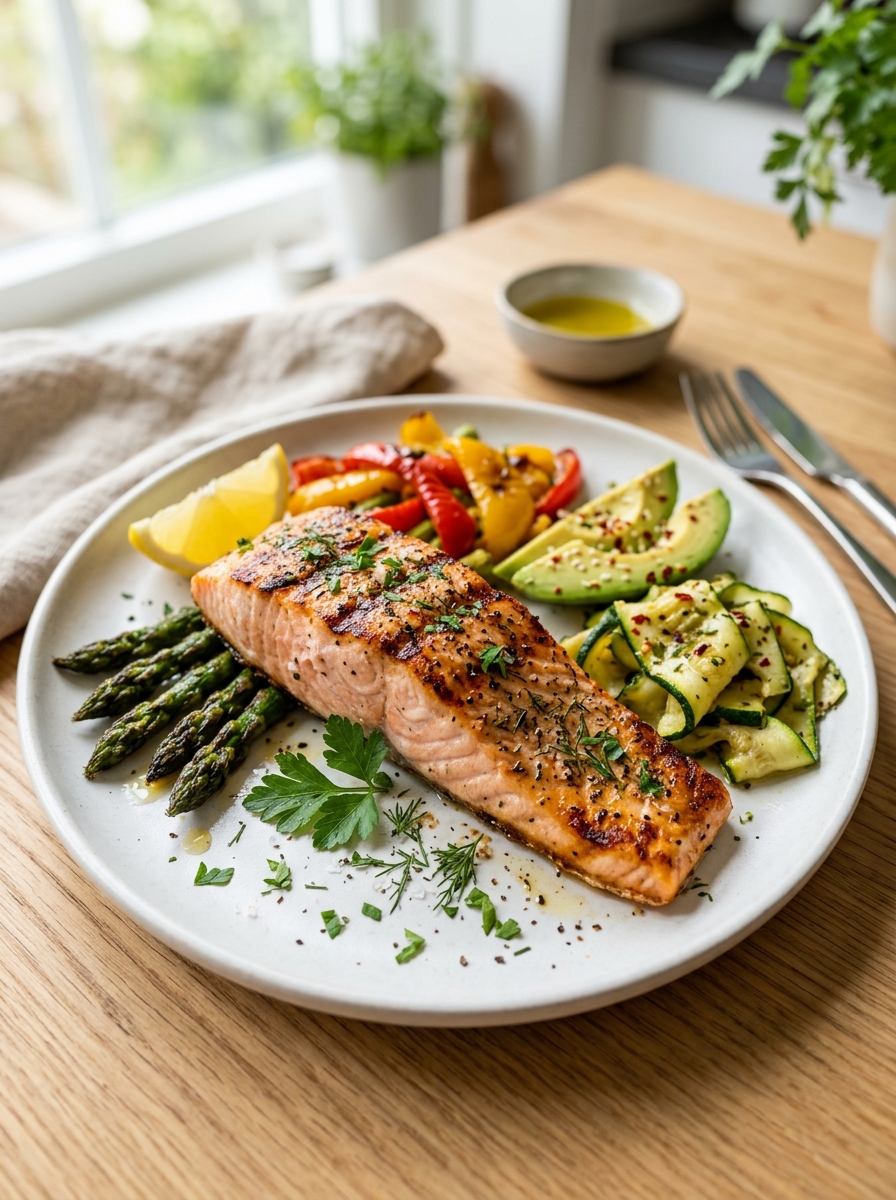
Keto Salmon Recipe for Middle-Aged Adults Managing Weight Loss Goals
Ingredients
Equipment
Method
- Preheat the oven to 400°F (200°C).
- Pat the salmon fillets dry using paper towels.
- Place them on a plate or baking tray.
- Drizzle with olive oil.
- In a small bowl, combine sea salt, black pepper, garlic powder, paprika, and dried parsley.
- Sprinkle the seasoning mixture evenly over the salmon.
- Drizzle with fresh lemon juice.
- Place the asparagus, zucchini, and bell peppers into a mixing bowl.
- Add olive oil, salt, and pepper.
- Toss until evenly coated.
- Spread the vegetables across one side of a baking sheet.
- Place the seasoned salmon fillets alongside the vegetables.
- Leave space between each fillet for even cooking.
- Bake for 12–15 minutes or until the salmon flakes easily with a fork and the vegetables are tender with lightly caramelized edges.
- Remove from the oven and allow to rest for 2–3 minutes.
- Transfer to serving plates.
- Top with avocado slices, fresh parsley, and lemon wedges.
- Serve immediately.
Notes
Do not overcook the salmon; it should remain moist and tender in the center.
For extra flavor, add minced garlic to the vegetable mixture before roasting.
Fresh dill can be substituted for parsley for a different flavor profile.
Store leftovers in an airtight container in the refrigerator for up to 3 days.
Add avocado immediately before serving for the best texture and freshness.
This recipe is naturally gluten-free, low-carb, and keto-friendly.
For meal prep, portion salmon and vegetables into individual containers and refrigerate until needed.