
College life comes with plenty of challenges, and one of the biggest is figuring out how to eat well without spending a fortune. Between tuition, textbooks, transportation, and everyday expenses, many students find themselves looking for meals that are affordable, satisfying, and easy to prepare. The good news is that budget-friendly meals do not have to be boring. In fact, some of the most delicious comfort foods can be made with simple ingredients that are often already sitting in your kitchen.
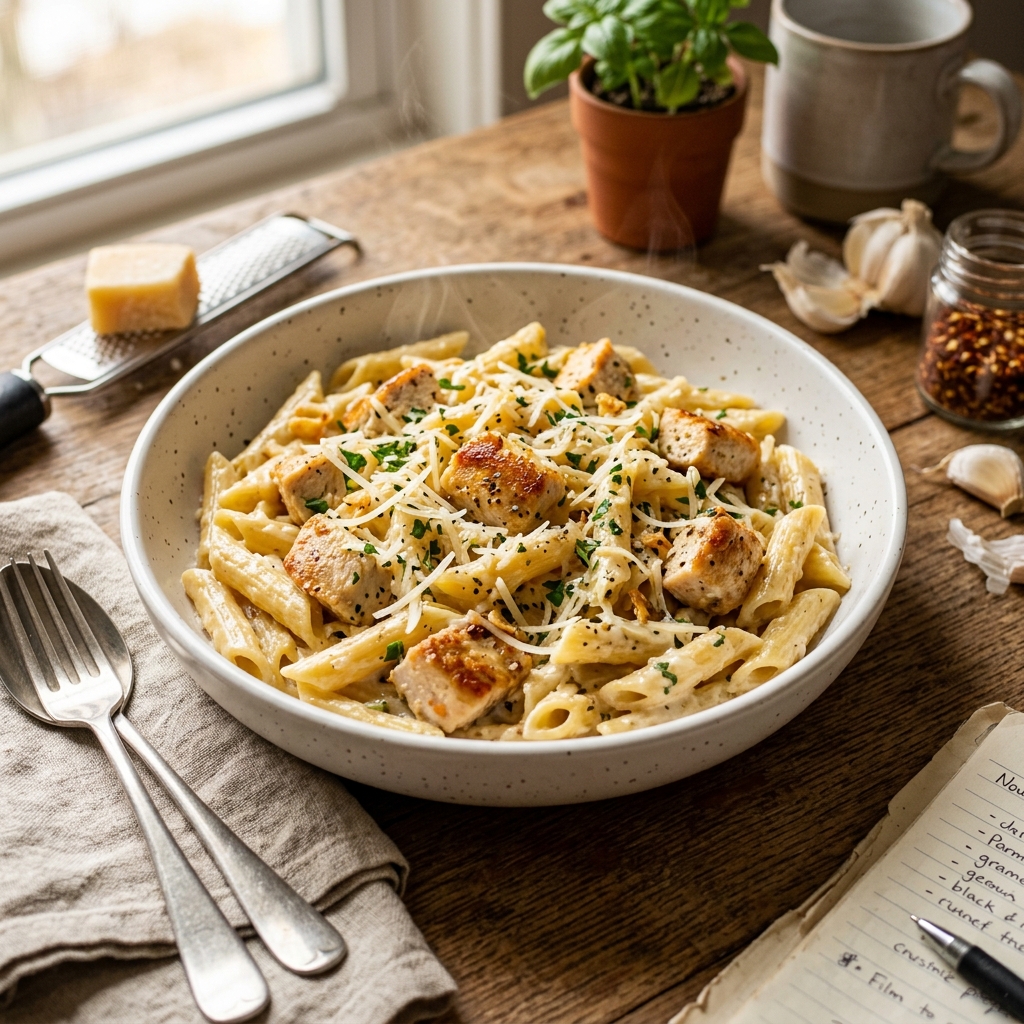
Garlic Parmesan Chicken Pasta is the perfect example of a recipe that delivers restaurant-quality flavor without the expensive price tag. This creamy pasta dish combines tender chicken, aromatic garlic, rich parmesan cheese, and perfectly cooked pasta to create a meal that feels indulgent while remaining surprisingly affordable. It is filling, comforting, and packed with flavor, making it ideal for busy college students who need a reliable dinner option.
What makes this recipe especially appealing is its versatility. Whether you’re cooking for yourself after a long day of classes, preparing meals for the week ahead, or sharing dinner with roommates, this recipe checks all the boxes. It requires basic cooking skills, uses readily available ingredients, and comes together in less than an hour. Best of all, it creates a hearty meal that can stretch your grocery budget while still satisfying your cravings for creamy, savory comfort food.
Why This Budget-Friendly Pasta Recipe Is So Popular
Many students assume that delicious meals require expensive ingredients or advanced cooking techniques. However, Garlic Parmesan Chicken Pasta proves that simple ingredients can create extraordinary results when combined correctly.
The secret lies in the balance of flavors. Garlic provides a deep, savory aroma that forms the foundation of the dish. Parmesan cheese contributes a rich, nutty flavor that elevates the sauce without requiring expensive specialty ingredients. Chicken adds protein and substance, turning a basic pasta dish into a complete meal that keeps you full for hours.
Another reason this recipe has become a favorite among students is its incredible value. A single batch can often provide multiple servings, making it ideal for meal prepping. Instead of purchasing costly takeout several times a week, you can prepare this pasta once and enjoy delicious leftovers for days.
Perhaps most importantly, this recipe offers comfort. There is something universally satisfying about a warm bowl of creamy pasta after a stressful exam, a long study session, or a busy day on campus. It feels like a treat while remaining practical enough for everyday cooking.
The Secret to Making Restaurant-Style Pasta at Home
Have you ever wondered why pasta dishes at restaurants seem to taste richer and more flavorful than homemade versions? The answer is not necessarily expensive ingredients. More often, it comes down to technique.
Professional chefs understand the importance of layering flavors. Instead of simply mixing ingredients together, they build flavor step by step. Garlic is gently cooked to release its aroma. Chicken is seasoned properly before cooking. Pasta is cooked to the perfect texture, and the sauce is carefully combined with the pasta rather than merely poured over it.
This recipe follows those same principles while keeping everything simple enough for beginner cooks. By learning a few easy techniques, you can create a meal that looks and tastes far more expensive than it actually is.
Another important factor is freshness. Freshly grated parmesan, freshly minced garlic, and properly cooked chicken all contribute to a noticeably better final result. Small details can make a significant difference, even when working with a tight budget.
Ingredients
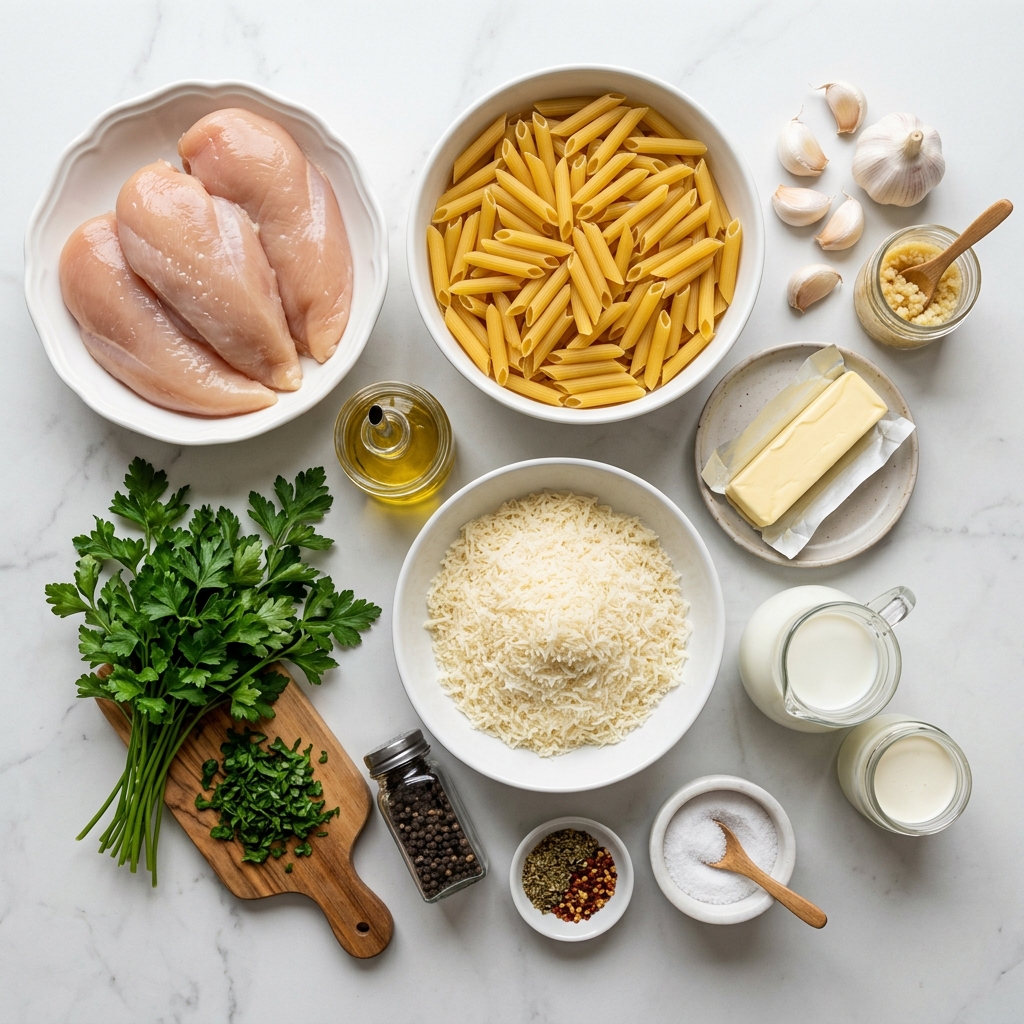
One of the best features of this recipe is that it uses affordable ingredients that are widely available in most grocery stores.
For the Pasta
- 12 ounces pasta (penne, rotini, or fettuccine work well)
- Water for boiling
- 1 tablespoon salt for pasta water
For the Chicken
- 2 medium chicken breasts, diced into bite-sized pieces
- 1 tablespoon olive oil
- 1 teaspoon garlic powder
- 1 teaspoon onion powder
- ½ teaspoon paprika
- Salt to taste
- Black pepper to taste
For the Garlic Parmesan Sauce
- 3 tablespoons butter
- 4 to 5 cloves garlic, minced
- 2 tablespoons all-purpose flour
- 2 cups milk
- 1 cup freshly grated parmesan cheese
- ½ teaspoon Italian seasoning
- Salt to taste
- Black pepper to taste
Optional Garnishes
- Fresh parsley, chopped
- Extra grated parmesan cheese
- Red pepper flakes
- Freshly cracked black pepper
Ingredient Notes
Choosing the Best Pasta
While almost any pasta shape will work, short pasta varieties such as penne and rotini are especially effective because they capture the creamy sauce inside their ridges and curves. This means every bite contains plenty of flavor.
Budget-Friendly Chicken Options
Chicken breast is commonly used for this recipe, but chicken thighs can be even more affordable while providing excellent flavor. Students looking to save additional money can watch for sales and freeze extra chicken portions for future meals.
Fresh vs. Pre-Grated Parmesan
Freshly grated parmesan melts more smoothly into sauces and produces a richer flavor. However, if your budget is limited, pre-grated parmesan can still deliver good results.
Garlic Matters
Fresh garlic creates the strongest and most authentic flavor. Although garlic powder can be used in an emergency, freshly minced garlic significantly improves the overall quality of the dish.
Step-by-Step Preparation Guide
Step 1: Prepare the Pasta
Fill a large pot with water and bring it to a rolling boil. Add the salt and pasta. Cook according to the package instructions until the pasta reaches an al dente texture, meaning it is tender but still slightly firm when bitten.
Before draining the pasta, reserve about one cup of pasta water. This starchy water can be useful later if you need to adjust the consistency of the sauce.
Drain the pasta and set it aside.
Step 2: Season the Chicken
Place the diced chicken pieces in a mixing bowl.
Add the garlic powder, onion powder, paprika, salt, and black pepper. Toss thoroughly to ensure each piece is evenly coated with the seasonings.
Allow the chicken to sit for five to ten minutes. Even this short resting period helps the seasonings penetrate the meat and enhances the flavor.
Step 3: Cook the Chicken
Heat the olive oil in a large skillet over medium-high heat.
Once the oil is hot, add the seasoned chicken pieces in a single layer. Avoid overcrowding the pan, as this can cause the chicken to steam instead of brown.
Cook for approximately 4 to 5 minutes on one side before turning. Continue cooking until the chicken develops a golden exterior and reaches a safe internal temperature.
Remove the cooked chicken from the skillet and place it on a plate.
Step 4: Build the Flavor Base
Using the same skillet, reduce the heat to medium.
Add the butter and allow it to melt completely. Once melted, add the minced garlic.
Cook the garlic for approximately 30 to 60 seconds while stirring constantly. The garlic should become fragrant but not brown. Burned garlic can create bitterness in the sauce.
This step forms the flavor foundation of the entire recipe, so take your time and enjoy the aroma filling your kitchen.
Step 5: Create the Roux
Sprinkle the flour over the garlic and butter mixture.
Whisk continuously for about one minute. This mixture, known as a roux, helps thicken the sauce and creates a smooth, creamy texture.
Cooking the flour briefly removes its raw taste while maintaining its thickening power.
Step 6: Make the Creamy Sauce
Gradually pour the milk into the skillet while whisking constantly.
Adding the milk slowly prevents lumps from forming and ensures a silky-smooth sauce.
Continue whisking until the mixture begins to thicken. This process typically takes three to five minutes.
Once thickened, stir in the Italian seasoning, salt, and black pepper.
Add the grated parmesan cheese a little at a time, stirring continuously until completely melted.
You should now have a rich, creamy sauce with a luxurious texture and a deep garlic parmesan flavor.
Step 7: Combine Everything
Return the cooked chicken to the skillet and stir it into the garlic parmesan sauce.
Add the cooked pasta and gently toss everything together until the pasta is evenly coated with the creamy sauce. Take your time during this step to ensure every piece of pasta absorbs as much flavor as possible.
If the sauce appears too thick, add a small amount of the reserved pasta water, one tablespoon at a time, until you reach your desired consistency. The starchy pasta water helps loosen the sauce without diluting its flavor.
Allow everything to cook together for another 1 to 2 minutes. This final step helps the pasta absorb the sauce and creates a more cohesive dish.
Remove the skillet from the heat and garnish with freshly chopped parsley, additional parmesan cheese, and freshly cracked black pepper if desired.
Serve immediately while hot and creamy.
Recipe Variations
One of the reasons this recipe is so popular is its flexibility. You can easily customize it based on your budget, dietary preferences, or whatever ingredients you already have in your kitchen.
Garlic Parmesan Broccoli Chicken Pasta
Add 2 cups of steamed broccoli florets during the final mixing stage. Broccoli adds color, nutrition, and extra texture while helping stretch the meal further.
Spicy Garlic Parmesan Chicken Pasta
Add red pepper flakes or a dash of hot sauce to the sauce. This variation creates a delicious balance between creamy and spicy flavors.
Mushroom Garlic Parmesan Pasta
Sauté sliced mushrooms before cooking the garlic. Mushrooms add a rich, savory flavor and pair beautifully with parmesan cheese.
Spinach Garlic Parmesan Chicken Pasta
Stir fresh spinach into the sauce just before adding the pasta. The spinach wilts quickly and adds extra vitamins without significantly increasing the cost.
Bacon Garlic Parmesan Pasta
Cook a few strips of bacon and crumble them over the finished dish. The smoky flavor works exceptionally well with the creamy parmesan sauce.
Extra Protein Version
Add additional chicken or mix in cooked turkey for an even more filling meal that supports active students and athletes.
Vegetarian Version
Simply omit the chicken and add vegetables such as mushrooms, zucchini, broccoli, or spinach. The sauce remains rich and satisfying even without meat.
Expert Tips for the Best Results
Salt Your Pasta Water Properly
Pasta absorbs water while cooking, so seasoning the water is one of the easiest ways to build flavor into the dish from the very beginning. Properly salted water can make a dramatic difference in the final taste.
Do Not Overcook the Chicken
Chicken breast can dry out quickly if overcooked. Cook it just until it reaches a safe temperature and remains juicy inside.
Grate Parmesan Fresh Whenever Possible
Freshly grated parmesan melts more smoothly and produces a creamier sauce. It also provides a stronger flavor, allowing you to use less cheese overall.
Keep the Heat Moderate
High heat can cause dairy-based sauces to separate or become grainy. Medium or medium-low heat helps maintain a silky texture.
Save Some Pasta Water
Many home cooks skip this step, but pasta water is a valuable ingredient. The starch helps create a smoother sauce and improves the overall texture.
Taste as You Go
Seasoning is one of the most important aspects of cooking. Taste the sauce before serving and adjust salt, pepper, or parmesan levels as needed.
Let the Sauce Coat the Pasta
Rather than pouring sauce over pasta at the end, mix everything together in the skillet. This allows the pasta to absorb flavor and creates a more restaurant-style result.
Make Ahead Options
This recipe is excellent for meal preparation and busy student schedules.
You can cook the chicken up to two days in advance and store it in the refrigerator until needed.
The garlic parmesan sauce can also be prepared ahead of time and refrigerated separately. When ready to serve, gently reheat the sauce and add a splash of milk if needed to restore its creamy consistency.
Students who enjoy meal prepping can prepare the entire recipe and divide it into individual containers for convenient lunches and dinners throughout the week.
If you’re planning meals for a particularly busy week of classes, this recipe can save valuable time while ensuring you always have something delicious ready to eat.
What to Serve with Garlic Parmesan Chicken Pasta
Although this dish is filling enough to stand on its own, pairing it with simple side dishes can create an even more satisfying meal.
Garlic Bread
A classic choice that complements the garlic flavors already present in the pasta.
Side Salad
A fresh green salad provides contrast to the rich, creamy sauce and adds extra vegetables to your meal.
Roasted Vegetables
Roasted broccoli, carrots, zucchini, or Brussels sprouts pair beautifully with the savory flavors of the pasta.
Steamed Green Beans
Green beans add freshness and a slight crunch that balances the creamy texture.
Caesar Salad
The parmesan flavors in a Caesar salad naturally complement the garlic parmesan sauce.
Fresh Fruit
A simple fruit bowl served afterward provides a refreshing finish to a hearty meal.
How to Store Garlic Parmesan Chicken Pasta
Refrigerator Storage
Allow the pasta to cool completely before transferring it to airtight containers.
Store in the refrigerator for up to 4 days.
Freezer Storage
Although cream-based sauces can change texture slightly after freezing, this recipe can still be frozen successfully.
Place cooled portions into freezer-safe containers and freeze for up to 2 months.
Thaw overnight in the refrigerator before reheating.
Reheating Instructions
For best results, reheat on the stovetop over low heat.
Add a splash of milk while reheating to help restore the creamy texture.
Microwave reheating also works well. Heat in short intervals and stir between each interval to ensure even warming.
Frequently Asked Questions
Can I use chicken thighs instead of chicken breast?
Absolutely. Chicken thighs are often less expensive and provide excellent flavor. They also remain juicy and tender during cooking.
Can I make this recipe without parmesan cheese?
Parmesan contributes a significant portion of the dish’s flavor. However, Romano cheese or a similar hard cheese can be substituted if necessary.
What pasta shape works best?
Penne, rotini, rigatoni, and fettuccine all work wonderfully. Choose whichever option fits your preference or budget.
How can I make the sauce thicker?
Allow the sauce to simmer for a few extra minutes or add a small amount of additional parmesan cheese.
How can I make the sauce thinner?
Add reserved pasta water or a small amount of milk until the desired consistency is achieved.
Is this recipe good for meal prep?
Yes. It reheats well and remains flavorful for several days, making it ideal for students and busy families.
Can I add vegetables?
Definitely. Broccoli, spinach, peas, mushrooms, and zucchini are all excellent additions.
How do I prevent the sauce from becoming grainy?
Use moderate heat and add the cheese gradually while stirring continuously. Avoid boiling the sauce after adding the cheese.
Conclusion
Garlic Parmesan Chicken Pasta is proof that delicious homemade meals do not have to be expensive or complicated. With affordable ingredients, simple techniques, and incredible flavor, this recipe is perfectly suited for college students, busy households, and anyone looking to stretch their grocery budget without sacrificing taste.
The combination of tender chicken, creamy garlic parmesan sauce, and perfectly cooked pasta creates a comforting meal that feels far more luxurious than its cost suggests. Whether you’re cooking for yourself after class, feeding roommates, preparing meals for the week, or simply looking for a reliable dinner recipe, this dish consistently delivers satisfying results.
Once you’ve made this Garlic Parmesan Chicken Pasta, it will likely earn a permanent place in your recipe collection. It is easy, budget-friendly, versatile, and packed with the kind of comforting flavors that make homemade cooking truly rewarding.
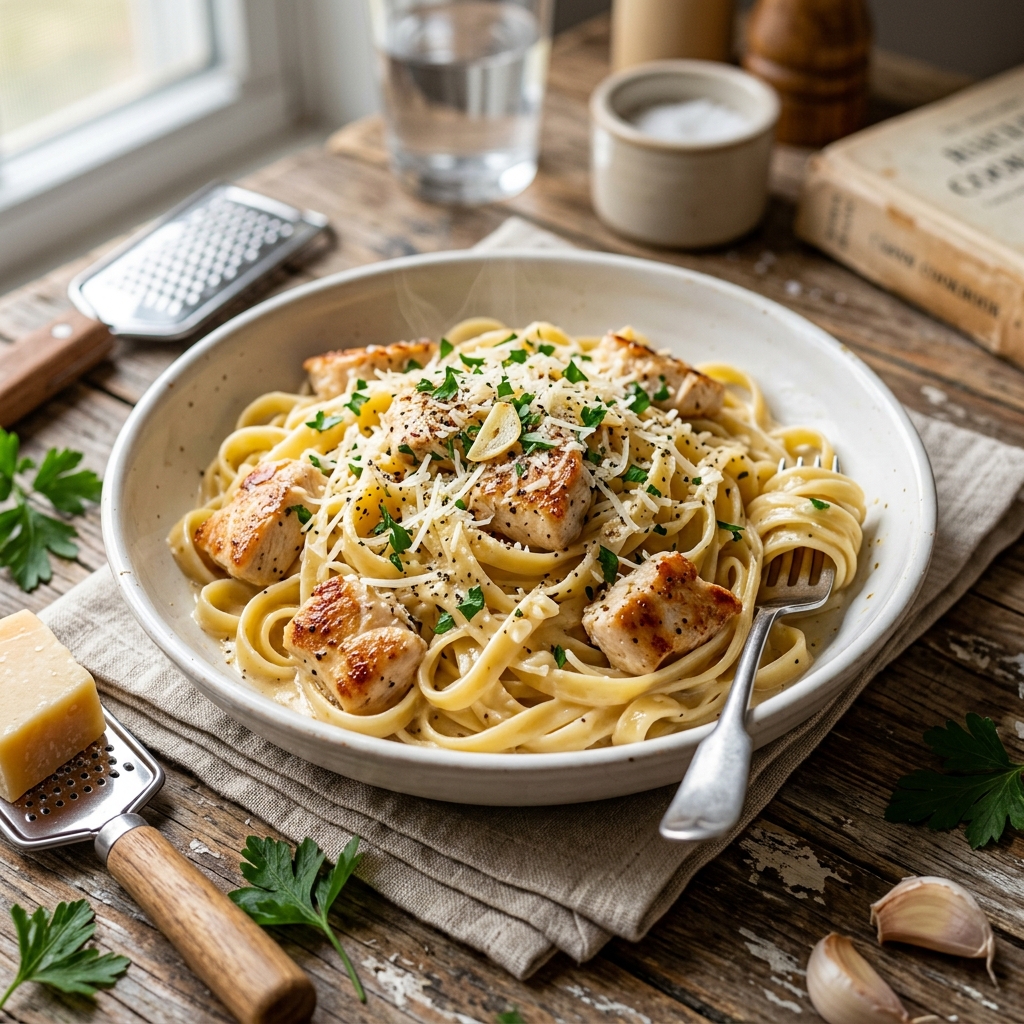
Garlic Parmesan Chicken Pasta for College Students Cooking on a Budget
Ingredients
Equipment
Method
- Bring a large pot of salted water to a boil and cook the pasta according to package directions until al dente. Reserve 1 cup of pasta water before draining.
- Season the diced chicken with garlic powder, onion powder, paprika, salt, and black pepper.
- Heat olive oil in a large skillet over medium-high heat. Add the chicken and cook until golden brown and fully cooked, about 6 to 8 minutes. Remove from the skillet and set aside.
- In the same skillet, melt the butter over medium heat. Add the minced garlic and cook for about 30 seconds until fragrant.
- Sprinkle the flour over the garlic butter mixture and whisk continuously for 1 minute to create a roux.
- Slowly pour in the milk while whisking constantly. Continue whisking until the mixture thickens.
- Stir in the Italian seasoning, salt, black pepper, and parmesan cheese. Mix until the cheese is melted and the sauce becomes smooth and creamy.
- Return the cooked chicken to the skillet and stir to combine.
- Add the drained pasta and toss until evenly coated in the garlic parmesan sauce.
- If needed, add a small amount of reserved pasta water to loosen the sauce.
- Garnish with parsley, extra parmesan cheese, and black pepper before serving.
Notes
Freshly grated parmesan cheese creates the smoothest and most flavorful sauce.
For extra vegetables, add broccoli, spinach, mushrooms, or peas.
To make the dish spicy, add red pepper flakes or a splash of hot sauce.
Store leftovers in an airtight container in the refrigerator for up to 4 days.
Reheat gently with a splash of milk to restore the creamy texture.
This recipe is excellent for meal prep and can be portioned into individual containers for easy lunches and dinners throughout the week.