
Getting picky eaters excited about dinner can feel like an impossible task. One day they love a particular meal, and the next day they refuse to take even a single bite. For many parents, finding recipes that are both nutritious and appealing to selective eaters becomes a daily challenge. The good news is that some dishes naturally bridge the gap between healthy ingredients and kid-approved flavors, and Hawaiian Chicken is one of them.
This sweet and colorful chicken recipe combines tender pieces of juicy chicken with naturally sweet pineapple and a glossy homemade sauce that creates a delicious tropical flavor. Unlike spicy dishes that some children may avoid, Hawaiian Chicken focuses on sweetness, mild flavors, and a fun presentation that instantly captures attention. The vibrant colors of pineapple and bell peppers make the meal visually appealing, while the sweet glaze encourages even hesitant eaters to give it a try.
Whether you’re looking for a quick weeknight dinner, a family-friendly meal prep option, or a recipe that helps introduce new ingredients without overwhelming young taste buds, Hawaiian Chicken checks all the boxes. It’s simple to prepare, packed with flavor, and versatile enough to serve with a variety of side dishes.
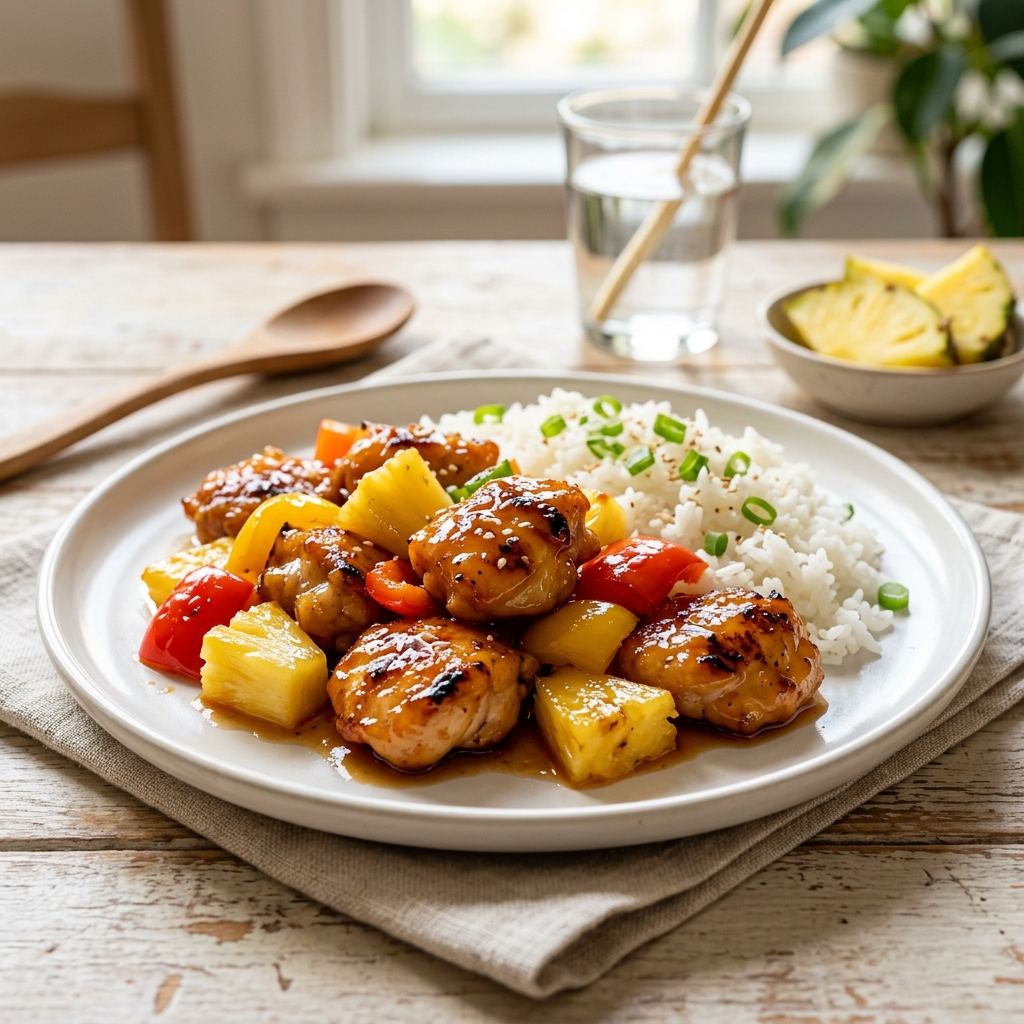
Why This Hawaiian Chicken Works So Well for Picky Eaters
Many children naturally prefer sweet flavors over spicy or heavily seasoned foods. This preference isn’t unusual. In fact, children often have more sensitive taste buds than adults, which can make strong flavors seem overwhelming. Hawaiian Chicken takes advantage of flavors that kids already enjoy while introducing nutritious ingredients in a fun and approachable way.
The pineapple plays a major role in the success of this dish. Its natural sweetness balances the savory chicken and creates a sauce that tastes more like a special treat than a typical dinner. Since many children already enjoy fruits, pineapple helps make the meal feel familiar and comfortable.
Another reason this recipe succeeds is its texture. The chicken remains tender and juicy, while the pineapple provides bursts of sweetness throughout every bite. The bell peppers add a slight crunch and bright color without introducing overpowering flavors. Together, these ingredients create a balanced dish that is exciting enough to keep children interested while remaining mild enough for sensitive palates.
Parents also appreciate how adaptable the recipe can be. Ingredients can be adjusted according to individual preferences, making it easier to satisfy different family members at the same table. Whether your child prefers extra pineapple, fewer vegetables, or additional sauce over rice, Hawaiian Chicken can be customized without compromising its delicious flavor.
The Secret Behind the Sweet Hawaiian Flavor
The signature taste of Hawaiian Chicken comes from the combination of sweet and savory ingredients working together in harmony. While pineapple provides natural fruit sweetness, the sauce adds depth and richness that transforms simple ingredients into something truly memorable.
A good Hawaiian-style sauce typically includes honey or brown sugar alongside soy sauce. The sweetness creates an inviting flavor profile, while the soy sauce prevents the dish from becoming overly sugary. Garlic adds subtle complexity without introducing heat, making the sauce suitable for children who prefer mild meals.
As the sauce cooks, it thickens into a glossy glaze that coats every piece of chicken and pineapple. This coating ensures that each bite delivers the perfect balance of flavors. The result is a meal that feels comforting, satisfying, and special enough to become a regular family favorite.
One of the most appealing aspects of this flavor combination is its universal appeal. Adults enjoy the savory depth, while children appreciate the sweetness. This makes Hawaiian Chicken one of those rare recipes that genuinely satisfies everyone at the dinner table.
Ingredients for Hawaiian Chicken
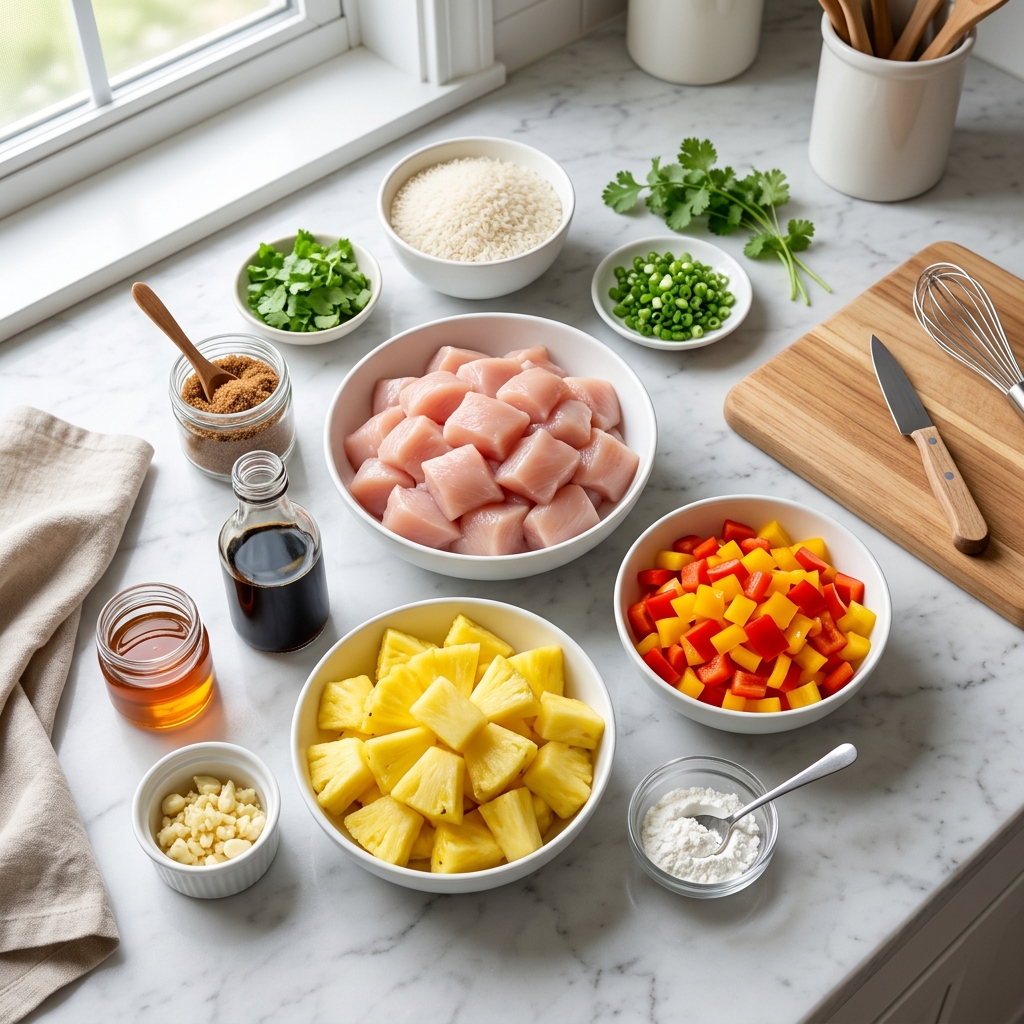
Before beginning the cooking process, gather all ingredients to make preparation easier and more efficient.
For the Chicken
- 2 pounds boneless, skinless chicken breasts or chicken thighs, cut into bite-sized pieces
- 1 tablespoon olive oil
- ½ teaspoon salt
- ¼ teaspoon black pepper
For the Hawaiian Sauce
- 1 cup pineapple juice
- 1 cup pineapple chunks
- 3 tablespoons honey
- 2 tablespoons brown sugar
- ¼ cup low-sodium soy sauce
- 3 cloves garlic, minced
- 1 tablespoon cornstarch
- 2 tablespoons water
For Added Color and Nutrition
- 1 red bell pepper, chopped
- 1 yellow bell pepper, chopped
- 2 green onions, sliced for garnish
Optional Serving Ingredients
- Steamed white rice
- Brown rice
- Coconut rice
- Steamed vegetables
Understanding the Role of Each Ingredient
Chicken
Boneless chicken breast is a popular choice because it is lean and easy for children to eat. Chicken thighs can also be used if you prefer a juicier result. Both options absorb the sweet Hawaiian sauce beautifully.
Pineapple
Pineapple is the star ingredient of this recipe. Fresh pineapple offers the brightest flavor, but canned pineapple chunks packed in juice work equally well. Avoid pineapple packed in heavy syrup, as it may make the dish too sweet.
Bell Peppers
Bell peppers contribute vibrant colors and valuable nutrients. Red and yellow peppers are naturally sweeter than green peppers, making them particularly appealing to picky eaters.
Honey and Brown Sugar
These ingredients create the sweet glaze that children love. Together they produce a rich sweetness that complements the pineapple without overwhelming the dish.
Soy Sauce
Soy sauce provides balance and prevents the recipe from tasting like dessert. It introduces a mild savory element that enhances the overall flavor.
Garlic
Garlic adds depth and complexity while remaining gentle enough for young taste buds. Its flavor becomes even milder as it cooks.
Cornstarch
Cornstarch is responsible for thickening the sauce. Without it, the sauce would remain thin and fail to coat the chicken properly.
Step-by-Step Preparation Guide
Step 1: Prepare the Ingredients
Start by washing and preparing all ingredients. Cut the chicken into evenly sized bite-sized pieces to ensure uniform cooking. Chop the bell peppers into chunks similar in size to the pineapple pieces.
Measure all sauce ingredients before turning on the stove. Having everything ready makes cooking smoother and prevents overcooking.
Step 2: Season the Chicken
Place the chicken pieces in a large bowl and season with salt and black pepper. Toss well so each piece receives an even coating.
Allow the chicken to sit for about 10 minutes while you prepare the remaining ingredients. This brief resting period helps enhance flavor throughout the meat.
Step 3: Cook the Chicken
Heat olive oil in a large skillet over medium-high heat.
Add the chicken pieces in a single layer. Avoid overcrowding the pan, as this can cause steaming instead of browning.
Cook for approximately 4 to 5 minutes on the first side before turning. Continue cooking until the chicken develops a light golden color and reaches a safe internal temperature.
Once cooked, transfer the chicken to a plate and set aside.
Step 4: Cook the Vegetables
Using the same skillet, add the chopped bell peppers.
Cook for 3 to 4 minutes, stirring occasionally. The peppers should soften slightly while maintaining some of their natural texture and color.
Avoid overcooking the vegetables, especially when preparing meals for children who prefer a bit of crunch.
Step 5: Prepare the Hawaiian Sauce
In a bowl, combine pineapple juice, honey, brown sugar, soy sauce, and minced garlic.
Whisk thoroughly until the ingredients are fully blended.
Pour the mixture into the skillet with the peppers and bring it to a gentle simmer. As the sauce heats, the sweet and savory aromas will begin filling the kitchen, creating anticipation for the delicious meal ahead.
Step 6: Thicken the Sauce
In a small bowl, whisk together the cornstarch and water until completely smooth. This mixture is commonly called a slurry and helps create the glossy texture that makes Hawaiian Chicken so appealing.
Slowly pour the slurry into the simmering sauce while stirring continuously. Continue stirring for 1 to 2 minutes as the sauce thickens.
The sauce should become smooth, shiny, and thick enough to coat the back of a spoon. If it becomes too thick, add a small splash of pineapple juice or water to reach the desired consistency.
Step 7: Combine Everything Together
Return the cooked chicken to the skillet and stir gently to coat every piece with the Hawaiian sauce.
Add the pineapple chunks and continue cooking for another 2 to 3 minutes. This allows the pineapple to warm through while maintaining its juicy texture.
Mix everything carefully so the chicken, peppers, pineapple, and sauce are evenly distributed throughout the skillet.
Step 8: Garnish and Serve
Remove the skillet from the heat.
Sprinkle sliced green onions over the top for a fresh finishing touch. While this garnish is optional, it adds color and a subtle flavor that complements the sweetness of the dish.
Serve immediately over warm rice and enjoy.
Variations of Hawaiian Chicken
One of the best things about Hawaiian Chicken is its flexibility. You can easily adapt the recipe to suit your family’s preferences while maintaining its sweet, kid-friendly appeal.
Hawaiian Chicken with Chicken Thighs
Chicken thighs naturally contain more fat than chicken breasts, making them exceptionally juicy and flavorful. If your family enjoys tender meat, thighs are an excellent alternative.
Slow Cooker Hawaiian Chicken
For busy days, place the chicken, pineapple juice, honey, brown sugar, soy sauce, and garlic in a slow cooker.
Cook on low for 4 to 6 hours or on high for 2 to 3 hours. Add the peppers during the final 30 minutes of cooking to maintain their texture.
Thicken the sauce with the cornstarch slurry before serving.
Baked Hawaiian Chicken
Arrange seasoned chicken in a baking dish and pour the prepared sauce over the top.
Bake at 400°F (200°C) for approximately 25 to 30 minutes or until fully cooked. Add pineapple chunks during the last 10 minutes of baking.
Extra-Sweet Hawaiian Chicken
For children who absolutely love sweet flavors, increase the pineapple chunks slightly and add an extra tablespoon of honey. The result is a sweeter tropical flavor that still remains balanced.
Hawaiian Chicken and Vegetable Bowl
Add additional vegetables such as carrots, snap peas, zucchini, or broccoli for a more nutrient-dense meal. The sweet sauce helps encourage children to try vegetables they might normally avoid.
Hawaiian Chicken Skewers
Thread chicken, pineapple chunks, and bell peppers onto skewers before grilling or baking. The colorful presentation often appeals to children and makes dinner feel more exciting.
Expert Tips for Perfect Hawaiian Chicken Every Time
Use Fresh Pineapple When Possible
Fresh pineapple often provides brighter flavor and better texture than canned varieties. However, canned pineapple packed in juice remains a convenient and excellent option.
Don’t Overcook the Chicken
Overcooked chicken can become dry and less appealing, especially for picky eaters. Remove it from the heat as soon as it reaches a safe internal temperature.
Cut Ingredients Evenly
Uniform pieces cook at the same rate and create a more attractive presentation. Consistent sizing also helps children enjoy the dish more easily.
Taste the Sauce Before Thickening
Before adding the cornstarch slurry, taste the sauce and adjust sweetness if necessary. Some pineapples are naturally sweeter than others.
Add Vegetables Gradually
If your child is hesitant about vegetables, start with small amounts of bell peppers and gradually increase the quantity over time.
Let the Sauce Coat Everything
The thickened sauce is what ties the entire dish together. Make sure every piece of chicken and pineapple is thoroughly coated before serving.
Serve It Fresh
Although leftovers are delicious, Hawaiian Chicken tastes best when freshly cooked, while the sauce is glossy and the vegetables remain vibrant.
Make-Ahead Options
Hawaiian Chicken is an excellent recipe for meal planning and advance preparation.
Prep Ingredients Ahead of Time
The chicken can be cut and stored in the refrigerator up to 24 hours before cooking.
Bell peppers can be chopped and stored in airtight containers, while the sauce ingredients can be mixed together and refrigerated until needed.
Prepare the Entire Dish in Advance
Cook the entire recipe and allow it to cool completely before storing.
When ready to serve, reheat gently on the stovetop or in the microwave until warmed through.
Freezer-Friendly Option
The cooked chicken and sauce freeze surprisingly well.
Store in freezer-safe containers for up to 3 months. Thaw overnight in the refrigerator before reheating.
For best results, add freshly cooked rice and garnish after reheating.
What to Serve with Hawaiian Chicken
The sweet tropical flavors pair beautifully with a variety of side dishes.
Steamed White Rice
White rice is the classic choice. It absorbs the flavorful sauce and provides a neutral base that children typically enjoy.
Brown Rice
For added fiber and nutrition, brown rice is an excellent alternative.
Coconut Rice
The subtle coconut flavor enhances the tropical character of the dish and creates a restaurant-style presentation.
Vegetable Fried Rice
A simple vegetable fried rice can transform Hawaiian Chicken into a complete meal.
Steamed Broccoli
The mild flavor of broccoli pairs surprisingly well with the sweet sauce.
Roasted Carrots
Naturally sweet roasted carrots complement the pineapple and honey flavors.
Cucumber Salad
A refreshing cucumber salad provides contrast to the richness of the sauce.
Dinner Rolls
Soft dinner rolls are perfect for soaking up any extra sauce left on the plate.
Fresh Fruit
Serve with fresh pineapple, strawberries, grapes, or melon for a bright and colorful family meal.
How to Store Hawaiian Chicken
Refrigerator Storage
Allow the dish to cool completely before transferring it to an airtight container.
Store in the refrigerator for up to 4 days.
Reheating Instructions
Reheat in a skillet over medium-low heat until warmed through.
You may need to add a small splash of water or pineapple juice to loosen the sauce.
Microwave reheating also works well for quick lunches and dinners.
Freezer Storage
Place cooled Hawaiian Chicken in freezer-safe containers or freezer bags.
Store for up to 3 months.
Label containers with the date to ensure freshness.
Best Storage Practice
Store rice separately whenever possible. This helps preserve the texture of both the rice and the chicken during reheating.
Frequently Asked Questions
1. Can I use canned pineapple instead of fresh pineapple?
Yes. Canned pineapple packed in juice works very well in this recipe. Avoid pineapple packed in heavy syrup because it can make the sauce overly sweet.
2. Is Hawaiian Chicken spicy?
No. This recipe is specifically designed for children and adults who prefer sweet flavors over spicy foods. It contains no spicy ingredients.
3. Can I use chicken thighs instead of chicken breasts?
Absolutely. Chicken thighs often produce an even juicier result and work wonderfully with the sweet Hawaiian sauce.
4. Can I make Hawaiian Chicken ahead of time?
Yes. It reheats well and can be prepared up to several days in advance, making it ideal for meal prep.
5. What vegetables can I add to the recipe?
Broccoli, carrots, snap peas, zucchini, and even corn can be added. Choose vegetables your family already enjoys for the best results.
6. How can I make the recipe healthier?
Reduce the honey and brown sugar slightly, use low-sodium soy sauce, and increase the amount of vegetables.
7. Can I freeze leftovers?
Yes. Hawaiian Chicken freezes well for up to 3 months when stored properly in airtight containers.
8. Why do picky eaters usually enjoy Hawaiian Chicken?
The combination of sweet pineapple, tender chicken, colorful ingredients, and a mild flavor profile makes the dish approachable and enjoyable for many selective eaters.
Final Thoughts
Hawaiian Chicken is more than just another weeknight dinner recipe. It is a practical solution for families trying to satisfy picky eaters without sacrificing flavor, nutrition, or variety. The combination of juicy chicken, sweet pineapple, colorful vegetables, and a glossy homemade sauce creates a meal that feels both comforting and exciting.
Its adaptability makes it suitable for busy schedules, meal prep plans, and family gatherings alike. Whether you’re introducing new foods to a selective eater or simply searching for a dependable recipe everyone will enjoy, Hawaiian Chicken deserves a place in your regular meal rotation.
With its sweet tropical flavor, simple preparation, and family-friendly appeal, this dish proves that delicious dinners don’t need to be complicated. Sometimes the recipes that bring the biggest smiles to the dinner table are also the easiest to make.
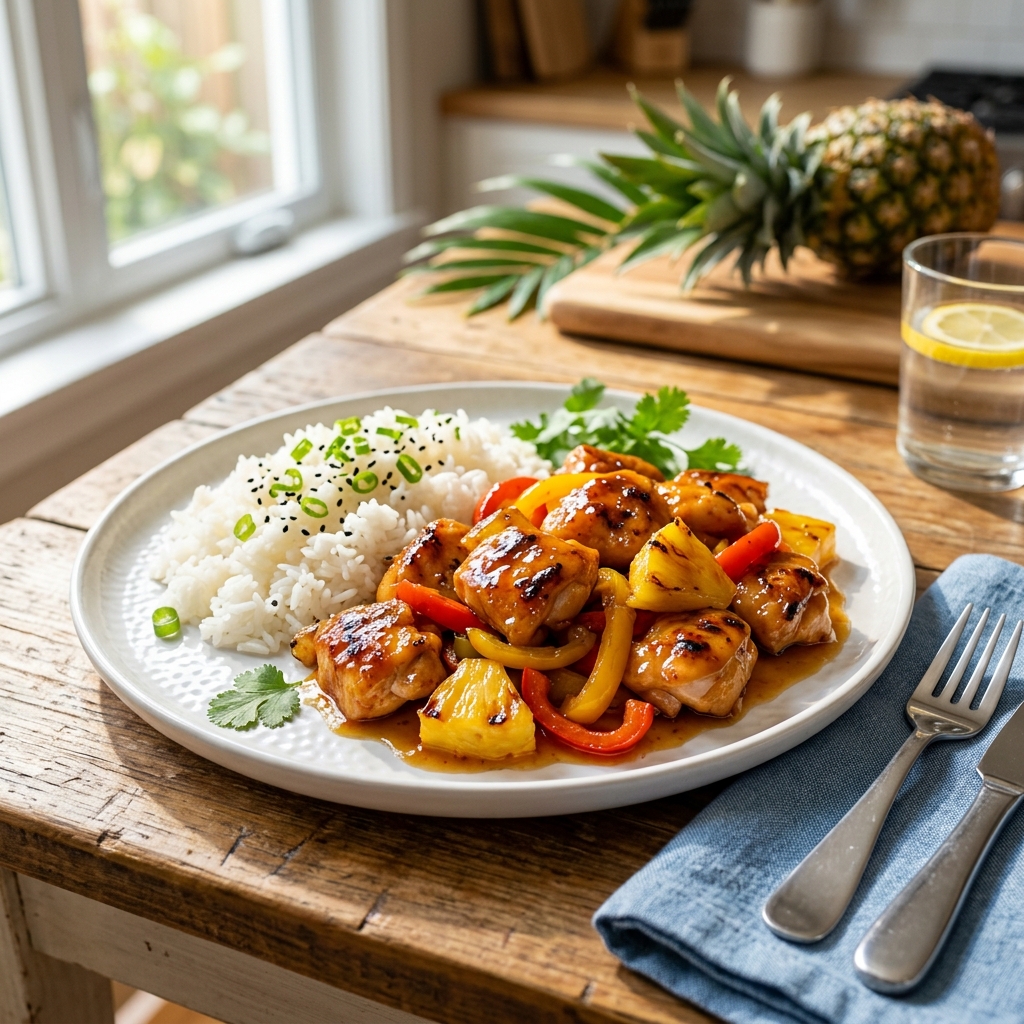
Hawaiian Chicken for Picky Kids Who Prefer Sweet Flavors Over Spicy Meals
Ingredients
Equipment
Method
- Cut the chicken into bite-sized pieces and chop the bell peppers. Measure all sauce ingredients and set them aside for easy cooking.
- Place the chicken in a bowl and season with salt and black pepper. Toss until evenly coated.
- Heat olive oil in a large skillet over medium-high heat. Add the chicken and cook for 8–10 minutes, stirring occasionally, until lightly browned and fully cooked. Remove from the skillet and set aside.
- Add the chopped bell peppers to the same skillet. Cook for 3–4 minutes until slightly softened but still vibrant.
- In a bowl, whisk together pineapple juice, honey, brown sugar, soy sauce, and minced garlic.
- Pour the mixture into the skillet with the peppers and bring to a gentle simmer.
- In a small bowl, mix cornstarch and water until smooth.
- Slowly pour the mixture into the simmering sauce while stirring continuously. Cook for 1–2 minutes until the sauce thickens and becomes glossy.
- Return the cooked chicken to the skillet.
- Add the pineapple chunks and stir until everything is evenly coated with the sauce. Cook for an additional 2–3 minutes.
- Remove from heat and garnish with sliced green onions.
- Serve hot over rice and enjoy.
Notes
For extra sweetness, add an additional tablespoon of honey.
Chicken thighs can be substituted for chicken breasts for a juicier result.
Store leftovers in an airtight container in the refrigerator for up to 4 days.
Freeze cooked Hawaiian Chicken for up to 3 months.
For younger children, chop the peppers into smaller pieces for easier eating.
To reduce sodium, use low-sodium soy sauce.
Serve with rice to soak up every bit of the delicious Hawaiian sauce.