
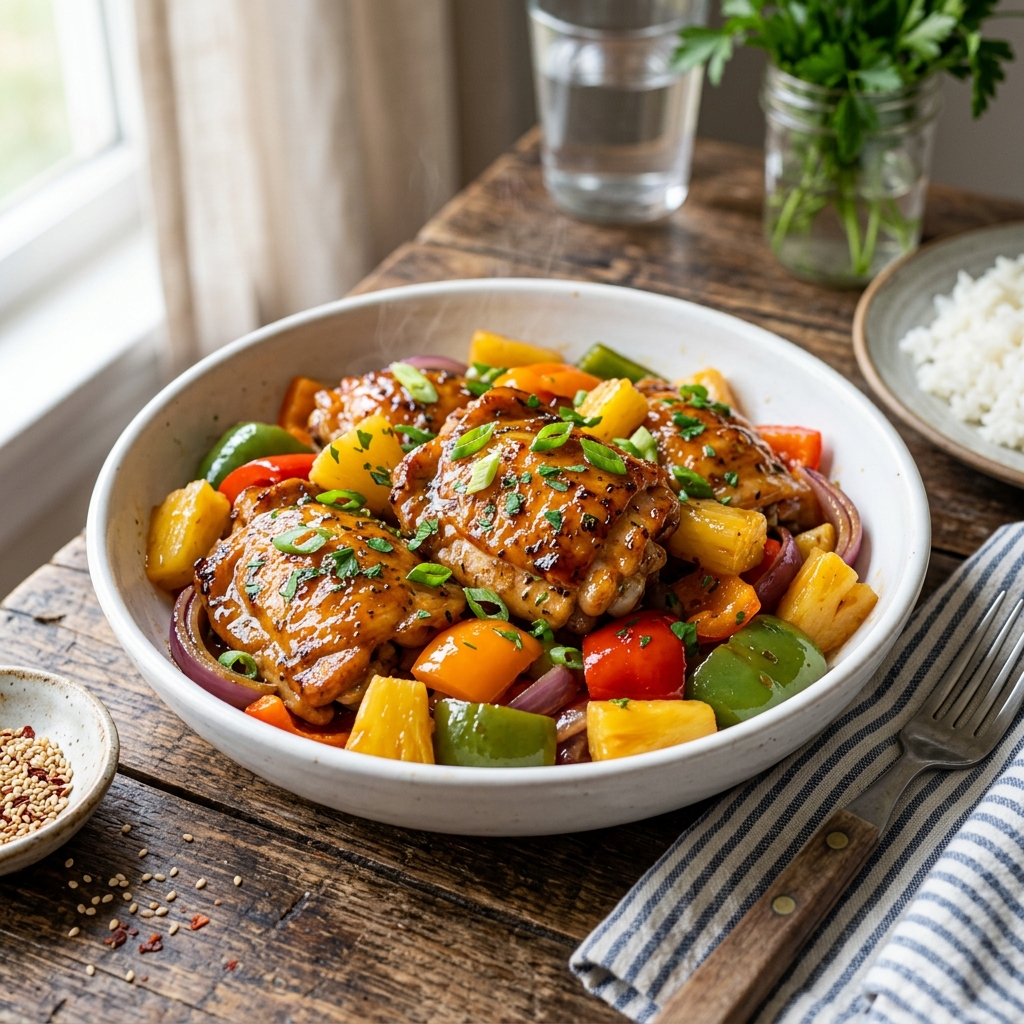
Feeding a family delicious meals without stretching the grocery budget can feel like a challenge, especially when food prices seem to rise every time you visit the store. Fortunately, some of the most satisfying meals come from simple ingredients that are already sitting in your pantry. Hawaiian Chicken with Canned Pineapple is one of those rare recipes that delivers incredible flavor, vibrant colors, and family-friendly appeal while remaining affordable and easy to prepare.
This recipe combines tender chicken, sweet canned pineapple, colorful vegetables, and a savory-sweet sauce that transforms ordinary pantry staples into something that feels special. The balance of flavors creates a tropical-inspired meal that tastes like it took hours to prepare, even though it can easily fit into a busy weeknight schedule. It is the kind of dinner that appeals to both adults and children, making it a reliable choice for families who want to enjoy a homemade meal together.
One of the greatest advantages of this recipe is its flexibility. Whether you’re cooking for a family of four, preparing meals for a larger household, or simply trying to stretch your grocery dollars further, Hawaiian Chicken adapts beautifully. The ingredients are affordable, easy to find, and often available year-round. Even better, canned pineapple provides the same sweet tropical flavor as fresh pineapple without the higher cost or extra preparation.
Why This Budget-Friendly Hawaiian Chicken Is So Popular
Many family recipes come and go, but certain dishes remain favorites because they consistently deliver great results. Hawaiian Chicken has earned its place among budget-friendly classics for several reasons.
First, it uses ingredients that are economical and widely available. Chicken is often one of the most affordable proteins, especially when purchased in family packs. Canned pineapple is inexpensive, has a long shelf life, and eliminates waste since every piece can be used.
Second, the recipe creates a wonderful balance between sweet and savory flavors. The pineapple adds natural sweetness while soy sauce, garlic, and onions contribute rich savory notes. Together, they create a flavor profile that feels comforting yet exciting.
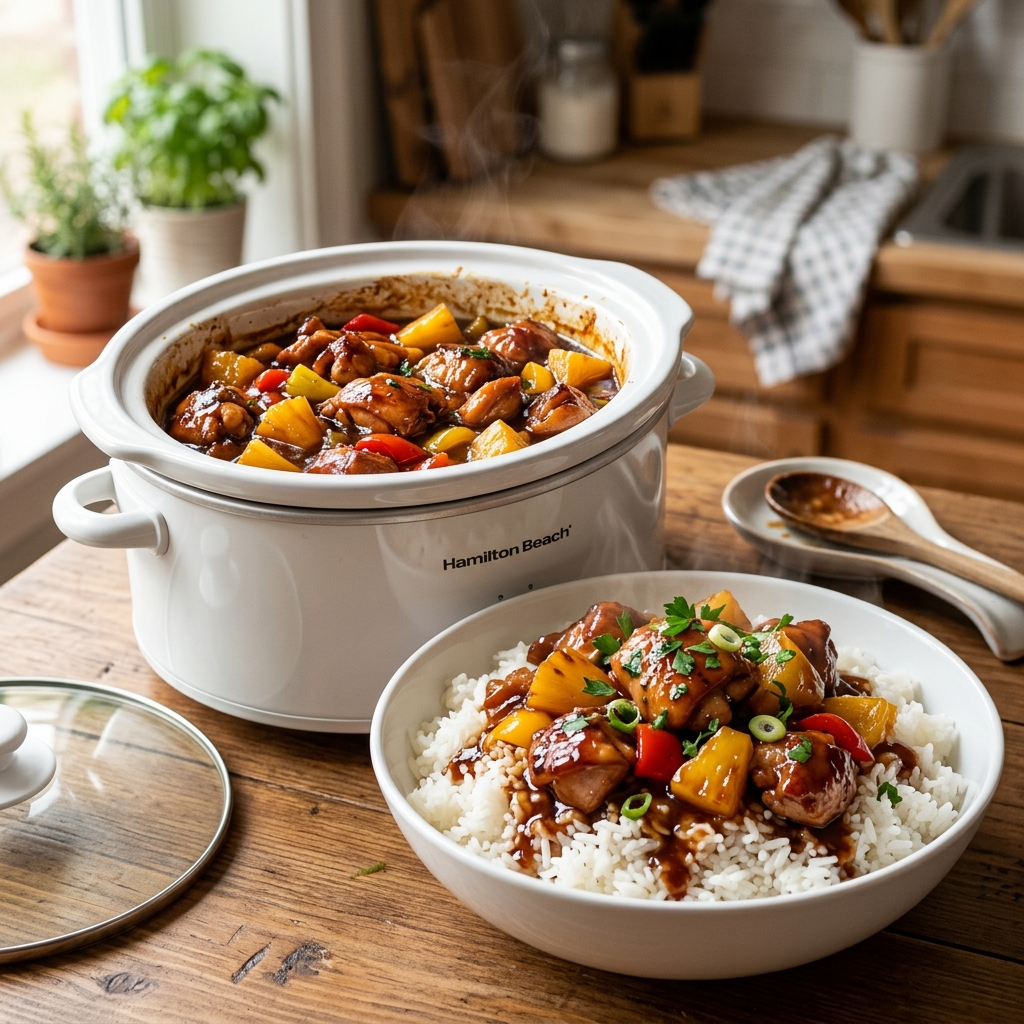
Another reason for its popularity is its colorful appearance. Bright peppers, golden pineapple chunks, and beautifully glazed chicken make the dish visually appealing. We often eat with our eyes first, and this recipe looks as good as it tastes.
Finally, Hawaiian Chicken is highly adaptable. You can serve it over rice, noodles, mashed potatoes, or even cauliflower rice. You can adjust the vegetables based on what you have available and make substitutions without sacrificing flavor.
The Secret That Makes This Recipe Better Than Many Restaurant Versions
Many restaurant-style Hawaiian chicken dishes rely heavily on sugar and processed sauces to create their signature flavor. While those versions can be tasty, they are often expensive and sometimes overly sweet.
The secret to this homemade version is using the juice from the canned pineapple as part of the sauce. This ingredient is often overlooked, but it provides natural sweetness, depth, and authentic pineapple flavor. Rather than discarding the liquid, it becomes a valuable ingredient that helps create a rich and glossy sauce.
Another advantage is complete control over the ingredients. You decide how much sugar, sodium, and seasoning to use. This allows you to create a healthier meal while maintaining the bold flavors that make Hawaiian Chicken so enjoyable.
By using pantry staples strategically, you can create a restaurant-quality dish at a fraction of the cost. This approach not only saves money but also helps reduce food waste, making it a smart choice for budget-conscious households.
Ingredients for Hawaiian Chicken with Canned Pineapple
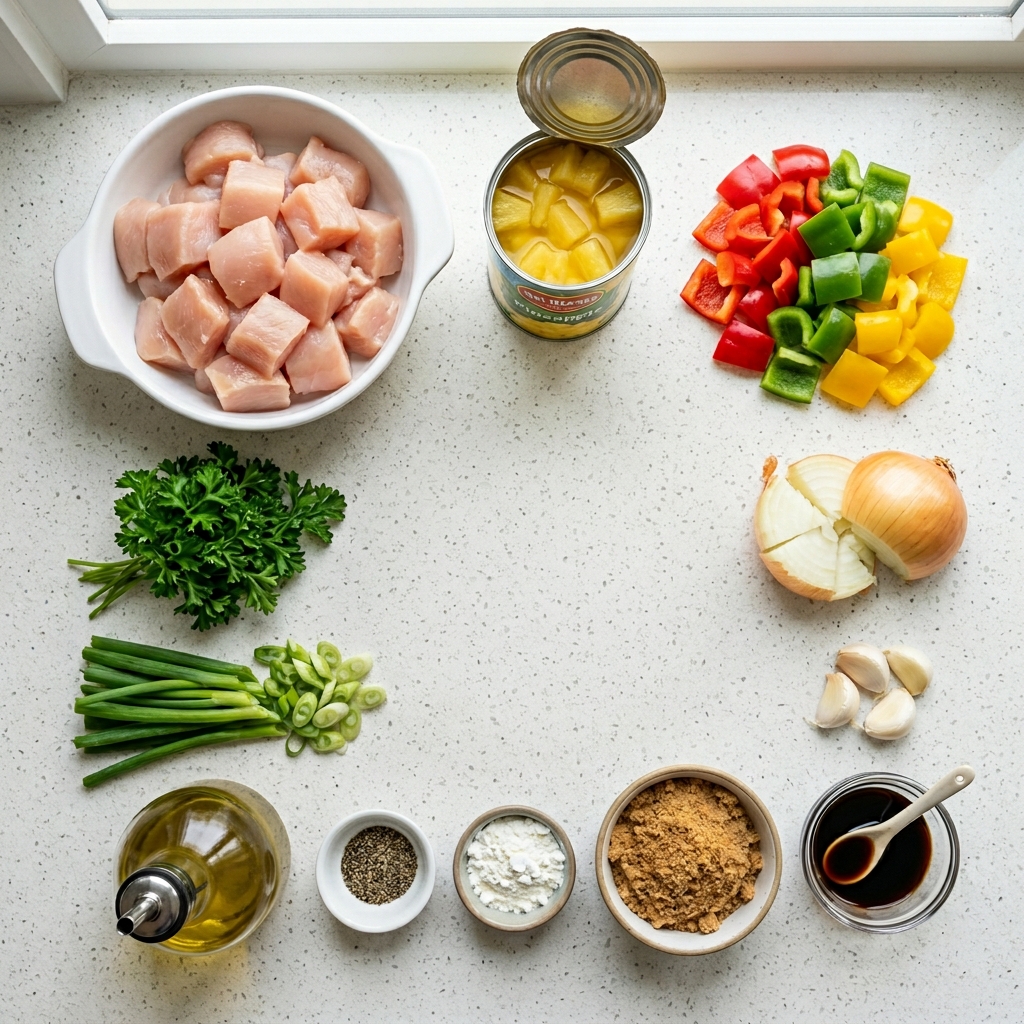
The beauty of this recipe lies in its simplicity. Most of the ingredients are affordable pantry staples that work together to create a rich, flavorful meal.
For the Chicken
- 2 pounds boneless skinless chicken breasts or chicken thighs, cut into bite-sized pieces
- 1 teaspoon salt
- ½ teaspoon black pepper
- 1 teaspoon garlic powder
- 2 tablespoons vegetable oil
For the Hawaiian Sauce
- 1 can (20 ounces) pineapple chunks, drained with juice reserved
- ⅓ cup soy sauce
- 3 tablespoons brown sugar
- 2 tablespoons ketchup
- 2 tablespoons cornstarch
- ¼ cup water
For the Vegetables
- 1 large red bell pepper, chopped
- 1 large green bell pepper, chopped
- 1 medium onion, sliced
- 3 cloves garlic, minced
Optional Garnishes
- Sliced green onions
- Fresh parsley
- Sesame seeds
Understanding the Role of Each Ingredient
Chicken
Chicken serves as the main source of protein and makes the meal filling and satisfying. Chicken thighs tend to remain juicier and are often less expensive than chicken breasts, making them an excellent option for families trying to save money.
Canned Pineapple
Canned pineapple is the star ingredient. It provides sweetness, texture, and the signature tropical flavor associated with Hawaiian-inspired dishes. Since it is shelf-stable, it is also convenient to keep on hand.
Bell Peppers
Bell peppers add color, freshness, and a slight crunch. They help balance the sweetness of the pineapple while contributing vitamins and nutrients.
Onion and Garlic
These aromatics build flavor from the very beginning of the cooking process. They create a savory foundation that enhances every other ingredient.
Soy Sauce
Soy sauce provides umami depth and balances the sweetness from the pineapple and brown sugar.
Brown Sugar
A small amount of brown sugar helps create the glossy, slightly caramelized sauce that coats the chicken and vegetables beautifully.
Cornstarch
Cornstarch thickens the sauce, giving it the rich texture commonly found in restaurant-style stir-fries.
Step-by-Step Preparation Guide
Step 1: Prepare the Ingredients
Begin by draining the canned pineapple. Be sure to reserve the juice because it will be used later in the sauce.
Cut the chicken into evenly sized pieces. Uniform pieces ensure even cooking and help every bite absorb the flavorful sauce.
Chop the bell peppers, slice the onion, and mince the garlic. Having everything prepared before cooking makes the process much smoother and prevents overcooking.
Step 2: Season the Chicken
Place the chicken pieces in a large bowl.
Add the salt, black pepper, and garlic powder.
Mix thoroughly so every piece is evenly coated with the seasonings.
Allow the chicken to sit for about 10 minutes while you prepare the remaining ingredients. This brief resting period helps the flavors begin to penetrate the meat.
Step 3: Create the Sauce Mixture
In a medium bowl, combine:
- Reserved pineapple juice
- Soy sauce
- Brown sugar
- Ketchup
Whisk until everything is fully combined.
In a separate small bowl, mix the cornstarch and water until smooth. This creates a slurry that will be added later to thicken the sauce.
Set both mixtures aside.
Step 4: Cook the Chicken
Heat the vegetable oil in a large skillet or wok over medium-high heat.
Once the oil is hot, add the chicken pieces in a single layer.
Avoid overcrowding the pan. If necessary, cook the chicken in batches.
Allow the chicken to brown without moving it too much during the first few minutes. This develops flavor and creates attractive golden edges.
Cook for approximately 6 to 8 minutes, stirring occasionally, until the chicken is nearly cooked through and lightly browned.
Transfer the chicken to a plate and set aside.
Step 5: Sauté the Vegetables
Using the same skillet, add the sliced onion and bell peppers.
Cook for about 4 to 5 minutes until they begin to soften while still retaining some texture.
Add the minced garlic and cook for another 30 seconds until fragrant.
The vegetables should remain slightly crisp rather than becoming overly soft. This contrast in texture makes the finished dish much more enjoyable.
Step 6: Combine Everything
Return the cooked chicken to the skillet with the vegetables.
Add the pineapple chunks.
Pour the prepared sauce mixture over the chicken and vegetables.
Stir well to combine.
Allow the mixture to come to a gentle simmer. As it heats, the flavors will begin to blend together, creating the sweet and savory profile that makes this dish so irresistible.
Continue simmering for several minutes, stirring occasionally to ensure everything cooks evenly and absorbs the sauce.
Step 7: Thicken the Sauce
Once the mixture has been simmering for a few minutes, give the cornstarch slurry another quick stir. Cornstarch naturally settles to the bottom, so mixing it again ensures a smooth consistency.
Slowly pour the slurry into the skillet while stirring continuously.
Within one to two minutes, you will notice the sauce beginning to thicken. The transformation happens quickly, creating a beautiful glossy coating that clings to every piece of chicken, pineapple, and vegetable.
Allow the sauce to simmer gently for another two to three minutes until it reaches your desired consistency. If the sauce becomes too thick, simply add a splash of water or pineapple juice. If it seems too thin, allow it to simmer a little longer.
Step 8: Garnish and Serve
Remove the skillet from the heat.
Sprinkle sliced green onions, chopped parsley, or sesame seeds over the top if desired.
Serve immediately over steamed rice, brown rice, noodles, or your preferred side dish.
The result is a colorful, flavorful meal that tastes far more expensive than the ingredients used to make it.
Recipe Variations
One of the reasons this Hawaiian Chicken recipe is so popular is its versatility. Here are several delicious ways to customize it based on your family’s preferences and what you already have available.
Hawaiian Chicken with Rice
Serve the finished chicken directly over fluffy white rice. The rice absorbs the sweet and savory sauce beautifully and helps stretch the meal further for larger families.
Hawaiian Chicken with Brown Rice
For a more nutritious option, use brown rice. It provides extra fiber and creates a heartier meal.
Spicy Hawaiian Chicken
Add:
- ½ teaspoon crushed red pepper flakes
- 1 diced jalapeño
- A few drops of hot sauce
The added heat creates a wonderful contrast to the sweetness of the pineapple.
Hawaiian Chicken with Extra Vegetables
Increase the nutritional value by adding:
- Broccoli florets
- Carrots
- Snap peas
- Zucchini
- Mushrooms
This variation is especially useful when you need to stretch the meal without increasing the cost significantly.
Slow Cooker Hawaiian Chicken
Place all ingredients except the cornstarch slurry into a slow cooker.
Cook on low for 5 to 6 hours or high for 3 to 4 hours.
During the final 30 minutes, stir in the cornstarch slurry to thicken the sauce.
Hawaiian Chicken Meatballs
Replace the chicken pieces with homemade or frozen meatballs. The sweet pineapple sauce pairs wonderfully with meatballs and creates a fun variation that children often enjoy.
Expert Tips for the Best Hawaiian Chicken
Use Chicken Thighs for Maximum Flavor
While chicken breasts work well, chicken thighs typically remain juicier during cooking. They are often less expensive too, making them a smart choice for budget-conscious households.
Do Not Overcook the Pineapple
Adding the pineapple toward the end of cooking helps it retain its texture and natural sweetness.
Reserve Every Drop of Pineapple Juice
Many people pour the juice down the drain without realizing how much flavor it contains. The juice adds sweetness, acidity, and depth to the sauce.
Cook in Batches if Necessary
Overcrowding the skillet can cause the chicken to steam rather than brown. Proper browning creates richer flavor and better texture.
Taste Before Serving
Different brands of soy sauce and pineapple can vary in sweetness and saltiness. Always taste the sauce before serving and adjust if necessary.
Make It More Filling
If you’re feeding a large family, increase the vegetables and serve over rice. This simple strategy helps stretch the meal without significantly increasing the grocery bill.
Make-Ahead Options
This recipe works exceptionally well for meal prep and advance preparation.
Prep Ingredients Ahead
You can:
- Cut the chicken up to 24 hours ahead.
- Chop vegetables the day before.
- Mix the sauce ingredients in advance.
Store everything separately in the refrigerator until ready to cook.
Prepare the Entire Dish Ahead
Cook the recipe completely and allow it to cool.
Store in an airtight container in the refrigerator for up to four days.
Reheat gently on the stovetop or in the microwave before serving.
Freeze for Future Meals
Hawaiian Chicken freezes surprisingly well.
Allow the cooked dish to cool completely before transferring it to freezer-safe containers.
Freeze for up to three months.
Thaw overnight in the refrigerator and reheat thoroughly before serving.
What to Serve with Hawaiian Chicken
This recipe pairs well with a variety of side dishes, making it easy to create a complete meal.
Rice Options
- Steamed white rice
- Jasmine rice
- Brown rice
- Coconut rice
Noodle Options
- Lo mein noodles
- Rice noodles
- Egg noodles
Vegetable Sides
- Steamed broccoli
- Roasted green beans
- Stir-fried vegetables
- Asian-style cabbage slaw
Bread Options
- Dinner rolls
- Garlic bread
- Hawaiian rolls
Fresh Side Dishes
- Garden salad
- Cucumber salad
- Pineapple fruit salad
These options allow you to customize the meal based on your family’s preferences and budget.
How to Store Hawaiian Chicken
Proper storage helps preserve both flavor and food safety.
Refrigerator Storage
Transfer leftovers to an airtight container.
Store in the refrigerator for up to four days.
The flavors often become even better after a day as the ingredients continue to absorb the sauce.
Freezer Storage
Place cooled portions into freezer-safe containers or freezer bags.
Label with the date.
Freeze for up to three months.
Reheating Instructions
For best results:
- Reheat on the stovetop over medium-low heat.
- Add a small splash of water if the sauce has thickened too much.
Microwave reheating also works well for quick meals.
Frequently Asked Questions
Can I use fresh pineapple instead of canned pineapple?
Absolutely. Fresh pineapple works wonderfully in this recipe. However, canned pineapple is often more affordable, convenient, and available year-round.
Can I make this recipe without bell peppers?
Yes. You can substitute other vegetables such as broccoli, carrots, snap peas, zucchini, or even extra onions.
What is the best cut of chicken for Hawaiian Chicken?
Chicken thighs are often preferred because they stay tender and juicy. Chicken breasts are leaner and also work very well.
Is Hawaiian Chicken sweet?
The dish has a pleasant sweetness from the pineapple and brown sugar, but it is balanced by savory soy sauce and aromatic vegetables.
Can I make this recipe gluten-free?
Yes. Simply replace regular soy sauce with a gluten-free soy sauce or tamari.
How can I make the sauce thicker?
Allow it to simmer longer or add a little more cornstarch slurry. Be sure to add it gradually to avoid making the sauce overly thick.
Can I use frozen vegetables?
Yes. Frozen vegetables are budget-friendly and convenient. Add them directly to the skillet and cook until heated through.
Is this recipe suitable for meal prep?
Definitely. Hawaiian Chicken reheats beautifully and maintains its flavor and texture for several days, making it ideal for meal preparation.
Conclusion
Hawaiian Chicken with Canned Pineapple proves that delicious family meals do not have to be expensive or complicated. By combining affordable pantry staples with simple cooking techniques, you can create a vibrant, satisfying dish that feels special enough for guests yet practical enough for busy weeknights.
The sweet pineapple, tender chicken, colorful vegetables, and rich homemade sauce come together to create a meal that delivers exceptional flavor while remaining budget-friendly. Whether you’re feeding a large family, planning weekly meal prep, or simply looking for a new way to use pantry ingredients, this recipe deserves a permanent place in your collection.
Best of all, it demonstrates that a limited grocery budget does not mean sacrificing flavor, variety, or enjoyment at the dinner table. With a few simple ingredients and a little creativity, you can bring a taste of the tropics to your family’s dinner plate any night of the week.
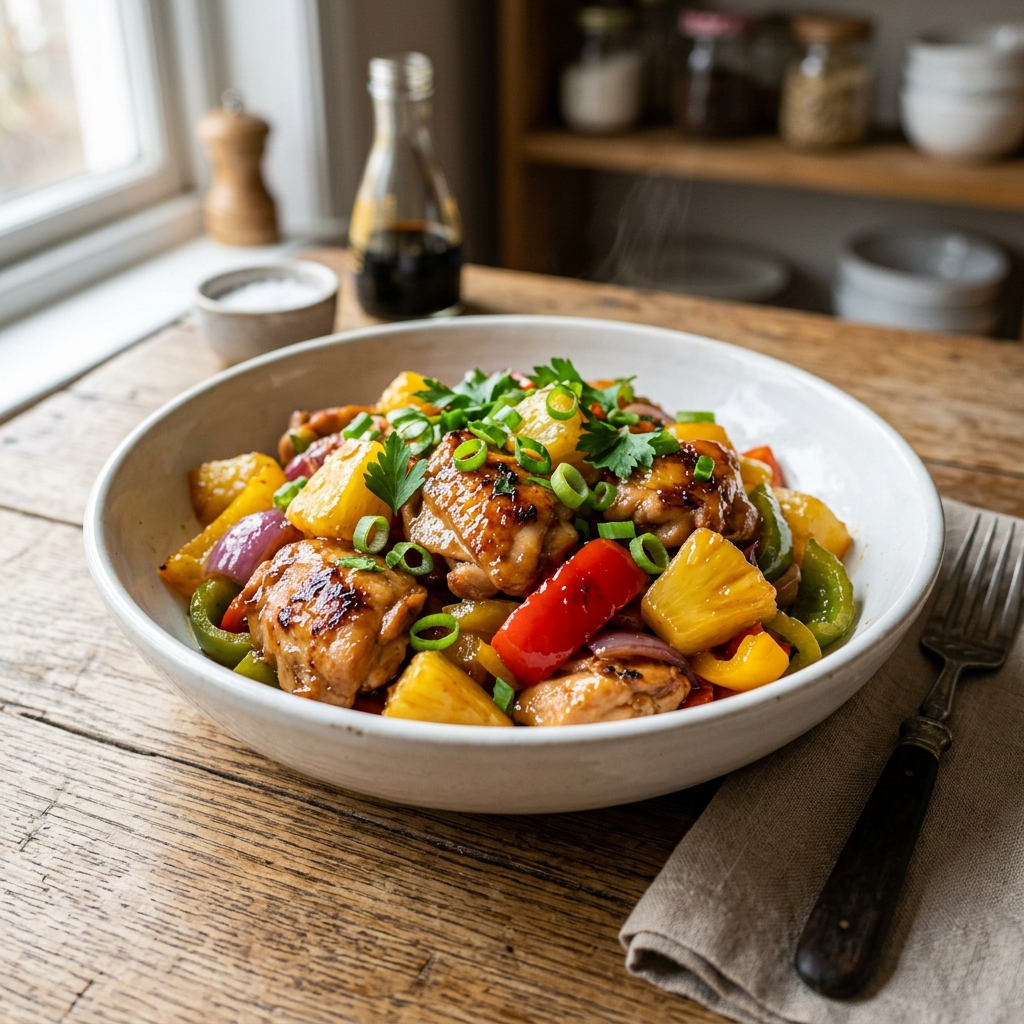
Hawaiian Chicken with Canned Pineapple for Budget-Conscious Families Using Pantry Staples
Ingredients
Equipment
Method
- Drain the canned pineapple and reserve the juice. Set both aside.
- Season the chicken pieces with salt, black pepper, and garlic powder. Toss well to coat evenly.
- In a bowl, whisk together the reserved pineapple juice, soy sauce, brown sugar, and ketchup.
- In a separate small bowl, combine cornstarch and water until smooth. Set aside.
- Heat vegetable oil in a large skillet over medium-high heat.
- Add the chicken and cook for 6 to 8 minutes, stirring occasionally, until lightly browned and nearly cooked through.
- Remove the chicken from the skillet and set aside.
- Add the onions and bell peppers to the skillet. Cook for 4 to 5 minutes until slightly tender.
- Add the minced garlic and cook for 30 seconds until fragrant.
- Return the chicken to the skillet and add the pineapple chunks.
- Pour the prepared sauce mixture over the chicken and vegetables. Stir well and bring to a gentle simmer.
- Slowly stir in the cornstarch slurry while mixing continuously.
- Cook for 2 to 3 minutes until the sauce thickens and becomes glossy.
- Remove from heat and garnish with green onions, parsley, or sesame seeds if desired.
- Serve hot over steamed rice, noodles, or your favorite side dish.
Notes
Do not discard the pineapple juice; it is essential for creating the signature Hawaiian sauce.
To make the recipe spicier, add red pepper flakes or diced jalapeños.
Frozen bell peppers may be used as a budget-friendly alternative.
For a gluten-free version, substitute tamari or gluten-free soy sauce.
Leftovers can be refrigerated in an airtight container for up to 4 days.
This recipe freezes well for up to 3 months.
Serve over rice to stretch the meal further and feed larger families affordably.